D & C Blue #1
What is D & C Blue #1?
D & C Blue #1, more commonly known as FD&C Blue No. 1 or Brilliant Blue FCF when used in food, is a synthetic color additive. It is manufactured from petroleum-based raw materials through chemical synthesis.
Is D & C Blue #1 vegan?
D & C Blue #1 is not animal-derived. Products that contain it can still include other animal-derived ingredients, so check the full ingredient list.
Is D & C Blue #1 a major allergen?
Not a major allergen.
What is D & C Blue #1 used for?
This blue dye is added to foods to impart a blue color, or to create green when mixed with yellow dyes.
Is D & C Blue #1 safe?
FD&C Blue No. 1 is an FDA-approved color additive for use in food.
Why it's used
This blue dye is added to foods to impart a blue color, or to create green when mixed with yellow dyes. It is frequently found in powdered drink mixes, liquid water enhancers, and candies, as well as baked goods, dairy products, and cereals.
Health notes
FD&C Blue No. 1 is an FDA-approved color additive for use in food. In April 2025, the FDA announced a plan to phase out petroleum-based synthetic dyes, including Blue 1, from the food supply. JECFA has evaluated Brilliant Blue FCF and established an acceptable daily intake. EFSA has also evaluated it and concluded it is safe for use as a food additive. Some studies have suggested a possible link between synthetic food dyes and hyperactivity in sensitive children, but the evidence is mixed and not conclusive for the general population.
Allergen info
Not a major allergen.
Foods that contain D & C Blue #1
Compare products →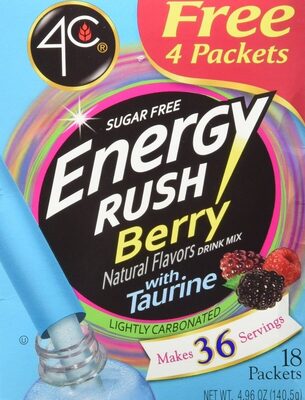
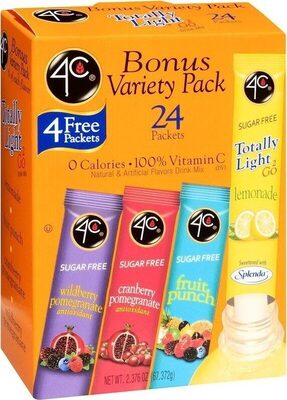
Learn more
Auto-generated content. This description was generated automatically and is pending editorial review. Inaccuracies are possible. Found a mistake? Contact us.