D-ribose
Auto-generated content. This description was generated automatically and is pending editorial review. Inaccuracies are possible. Found a mistake? Contact us.
What it is
D-ribose is a type of sugar that occurs naturally in all living cells. It is a component of RNA (ribonucleic acid), a molecule essential for life. D-ribose is typically produced commercially through fermentation using corn or other plant-based starches.
Why it's used
Manufacturers add D-ribose primarily as a sweetener. It is also used to enhance the flavor profile of foods and beverages. You can find it in energy drinks, sports drinks, and some teas.
Health notes
In the U.S., D-ribose is generally recognized as safe (GRAS) by the FDA for use as a food ingredient. It is a natural sugar that provides energy to cells. International bodies like JECFA have evaluated D-ribose, and EFSA has also assessed its safety. Research into its specific health effects is ongoing, but it is not typically associated with adverse effects at the levels found in food.
Allergen info
D-ribose is not derived from any of the nine FDA major allergens. It does not contain gluten.
Products containing D-ribose
Compare products →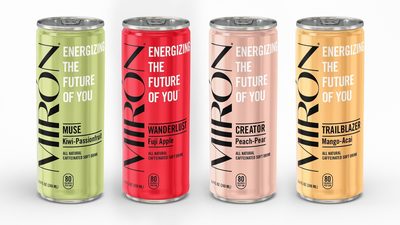 Miron Beverages, LLC
Miron, Energy Drink, Peach + Pear, Peach + Pear
21kcal
0Protein
0Fat
5Carbs
HEADON AND SON, INC.
Titan Tea, Green Tea, Pomegranate, Pomegranate
15kcal
0Protein
0Fat
3.8Carbs
HEADON AND SON, INC.
Titan Tea, Black Tea, Lemon, Lemon
15kcal
0Protein
0Fat
3.8Carbs
HEADON AND SON, INC.
Titan Tea, Green Tea, Peach, Peach
15kcal
0Protein
0Fat
3.8Carbs
Global Water Solutions Corp
Nano-Nutrient Water
0kcal
0Protein
0Fat
0Carbs
Miron Beverages, LLC
Miron, Energy Drink, Peach + Pear, Peach + Pear
21kcal
0Protein
0Fat
5Carbs
HEADON AND SON, INC.
Titan Tea, Green Tea, Pomegranate, Pomegranate
15kcal
0Protein
0Fat
3.8Carbs
HEADON AND SON, INC.
Titan Tea, Black Tea, Lemon, Lemon
15kcal
0Protein
0Fat
3.8Carbs
HEADON AND SON, INC.
Titan Tea, Green Tea, Peach, Peach
15kcal
0Protein
0Fat
3.8Carbs
Global Water Solutions Corp
Nano-Nutrient Water
0kcal
0Protein
0Fat
0Carbs
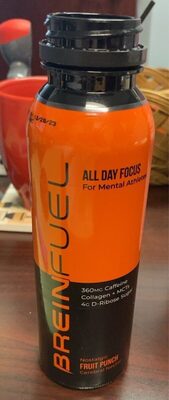 Renttracker.Com LLC
Fruit Punch Nostalgic Cerebal Nectar, Fruit Punch
High in saturated fat — 20% DV per serving
25kcal
1.4Protein
1.1Fat
3.1Carbs
Renttracker.Com LLC
Fruit Punch Nostalgic Cerebal Nectar, Fruit Punch
High in saturated fat — 20% DV per serving
25kcal
1.4Protein
1.1Fat
3.1Carbs
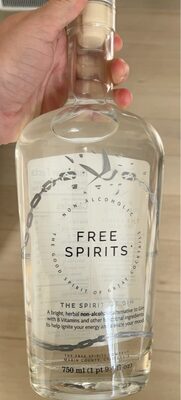 EcoBark Pet Supplies, Inc.
The Spirit Of Gin
11kcal
0Protein
0Fat
2.2Carbs
EcoBark Pet Supplies, Inc.
The Spirit Of Gin
11kcal
0Protein
0Fat
2.2Carbs