Dehydrated Coconut
What is Dehydrated Coconut?
Dehydrated coconut is dried coconut meat. It is made by removing most of the water content from fresh coconut, often through drying or roasting. This process concentrates its flavor and extends its shelf life.
Is Dehydrated Coconut vegan?
Dehydrated Coconut is not animal-derived. Products that contain it can still include other animal-derived ingredients, so check the full ingredient list.
Is Dehydrated Coconut a major allergen?
Coconut is classified as a tree nut by the FDA, making it one of the nine major food allergens.
What is Dehydrated Coconut used for?
Dehydrated coconut is used to add a distinct tropical flavor and texture to foods.
Is Dehydrated Coconut safe?
Dehydrated coconut is generally recognized as safe (GRAS) by the FDA for use in food.
Why it's used
Dehydrated coconut is used to add a distinct tropical flavor and texture to foods. It can act as a binder, a source of fiber, and a natural sweetener. It is commonly found in baked goods, granola bars, trail mixes, and as a topping for desserts and savory dishes.
Health notes
Dehydrated coconut is generally recognized as safe (GRAS) by the FDA for use in food. It is a source of dietary fiber and healthy fats. The Joint FAO/WHO Expert Committee on Food Additives (JECFA) has evaluated coconut oil, a component of coconut, and established an acceptable daily intake. Evidence regarding specific health impacts of dehydrated coconut at typical consumption levels is limited.
Allergen info
Coconut is classified as a tree nut by the FDA, making it one of the nine major food allergens. Therefore, it requires allergen labeling.
Foods that contain Dehydrated Coconut
Compare products →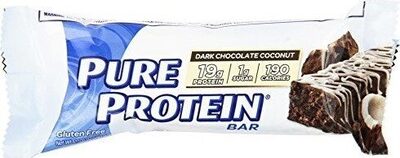

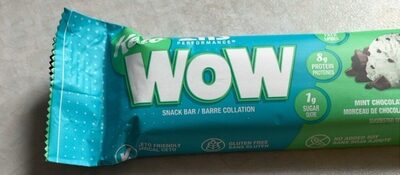
Auto-generated content. This description was generated automatically and is pending editorial review. Inaccuracies are possible. Found a mistake? Contact us.