Dehydrated Garlic Dehydrated Onion
Auto-generated content. This description was generated automatically and is pending editorial review. Inaccuracies are possible. Found a mistake? Contact us.
What it is
Dehydrated garlic and onion are dried forms of the alliums, garlic (Allium sativum) and onion (Allium cepa). They are processed by removing moisture, typically through air drying, freeze-drying, or spray-drying, to extend shelf life and concentrate flavor.
Why it's used
Manufacturers add dehydrated garlic and onion primarily for their intense flavor and aroma, acting as a potent seasoning. They are commonly found in spice blends, dry soup mixes, sauces, marinades, processed meats, and snack foods.
Health notes
Dehydrated garlic and onion are generally recognized as safe (GRAS) by the FDA for use as food ingredients. They are a source of various beneficial compounds, and studies suggest potential cardiovascular and immune benefits, though more research is needed. JECFA and EFSA have evaluated garlic and onion preparations, and these bodies have not specified numeric limits for their use as food ingredients. Evidence regarding specific health benefits is still developing.
Allergen info
Garlic and onion are not among the 9 FDA major allergens. They do not contain gluten.
Products containing Dehydrated Garlic Dehydrated Onion
Compare products →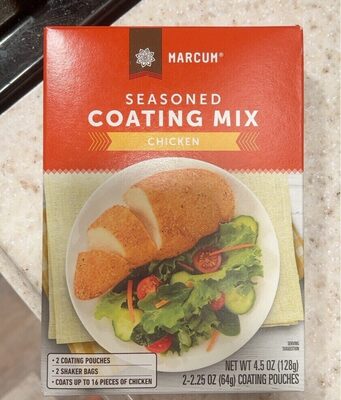 The Moran Group Incorporated
Marcum, Original Chicken Coating Mix
400kcal
10Protein
10Fat
70Carbs
Rouse's Enterprises, Inc.
Teriyaki Tasty Snack Sticks, Teriyaki
393kcal
28.6Protein
28.6Fat
14.3Carbs
Lakeside Foods, Inc.
Southwest Smokehouse Black Beans, Southwest
High in sodium — 22% DV per serving
115kcal
4.6Protein
1.1Fat
22.3Carbs
The Moran Group Incorporated
Marcum, Original Chicken Coating Mix
400kcal
10Protein
10Fat
70Carbs
Rouse's Enterprises, Inc.
Teriyaki Tasty Snack Sticks, Teriyaki
393kcal
28.6Protein
28.6Fat
14.3Carbs
Lakeside Foods, Inc.
Southwest Smokehouse Black Beans, Southwest
High in sodium — 22% DV per serving
115kcal
4.6Protein
1.1Fat
22.3Carbs
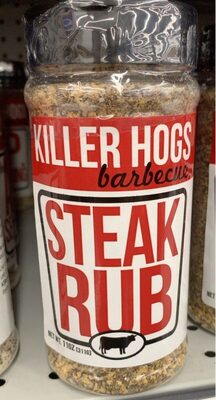 KILLER HOGS
Barbecue Steak Rub, Barbecue Steak
250kcal
0Protein
0Fat
50Carbs
JBS USA, LLC
Garlic And Herb Boneless Pork Loin Chops, Garlic And Herb
High in cholesterol — 23% DV per serving
161kcal
21.4Protein
7.1Fat
1.8Carbs
JBS USA, LLC
Chophouse Blend Boneless Pork Ribeye Chops, Chophouse Blend
High in cholesterol — 22% DV per serving
161kcal
19.6Protein
8.0Fat
1.8Carbs
KILLER HOGS
Barbecue Steak Rub, Barbecue Steak
250kcal
0Protein
0Fat
50Carbs
JBS USA, LLC
Garlic And Herb Boneless Pork Loin Chops, Garlic And Herb
High in cholesterol — 23% DV per serving
161kcal
21.4Protein
7.1Fat
1.8Carbs
JBS USA, LLC
Chophouse Blend Boneless Pork Ribeye Chops, Chophouse Blend
High in cholesterol — 22% DV per serving
161kcal
19.6Protein
8.0Fat
1.8Carbs