Dehydrated Yam
What is Dehydrated Yam?
Dehydrated yam is a dried form of the yam root vegetable. Yams are starchy tubers grown in tropical regions worldwide. They are typically peeled, sliced, and then dried using heat or air to remove moisture, extending their shelf life and concentrating their flavor.
Is Dehydrated Yam vegan?
Dehydrated Yam is not animal-derived. Products that contain it can still include other animal-derived ingredients, so check the full ingredient list.
Is Dehydrated Yam gluten-free?
Yams are not among the nine major allergens identified by the FDA, nor do they contain gluten.
Is Dehydrated Yam a major allergen?
Not a major allergen.
What is Dehydrated Yam used for?
Dehydrated yam is used to add a slightly sweet, earthy flavor and a starchy texture to foods.
Is Dehydrated Yam safe?
Dehydrated yam is generally recognized as safe (GRAS) by the FDA when used as a food ingredient.
Why it's used
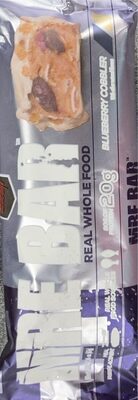
Dehydrated yam is used to add a slightly sweet, earthy flavor and a starchy texture to foods. It can act as a thickener or bulking agent. It is commonly found in snack bars, meal replacement products, and some baked goods.
Health notes
Dehydrated yam is generally recognized as safe (GRAS) by the FDA when used as a food ingredient. It is a source of carbohydrates, fiber, and some vitamins and minerals. International bodies like JECFA have evaluated similar yam-derived ingredients. At typical consumption levels, it is not associated with adverse health effects.
Allergen info
Not a major allergen. Yams are not among the nine major allergens identified by the FDA, nor do they contain gluten.
Foods that contain Dehydrated Yam
Compare products →
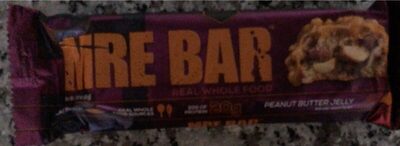

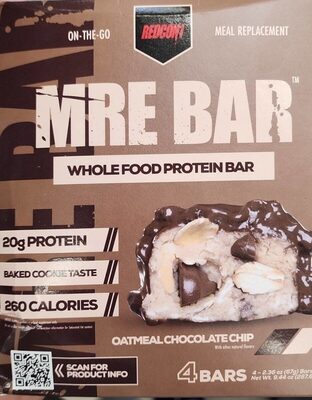

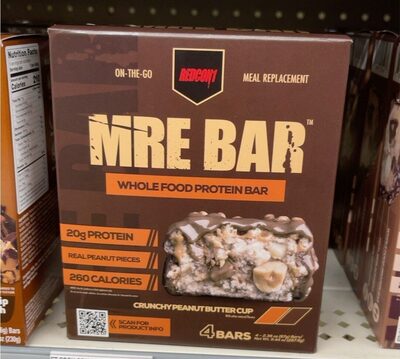

Auto-generated content. This description was generated automatically and is pending editorial review. Inaccuracies are possible. Found a mistake? Contact us.