Dextrose Anhydrous
What is Dextrose Anhydrous?
Dextrose anhydrous is a pure form of glucose, a simple sugar. It is typically derived from corn starch through a process called hydrolysis, which breaks down the starch into glucose. The 'anhydrous' part means that no water molecules are present in the final product.
Is Dextrose Anhydrous vegan?
Dextrose Anhydrous is not animal-derived. Products that contain it can still include other animal-derived ingredients, so check the full ingredient list.
Is Dextrose Anhydrous gluten-free?
It does not contain gluten.
Is Dextrose Anhydrous a major allergen?
Dextrose is not derived from any of the nine FDA major allergens.
What is Dextrose Anhydrous used for?
Manufacturers add dextrose anhydrous primarily as a sweetener and bulking agent.
Is Dextrose Anhydrous safe?
In the U.S., dextrose is generally recognized as safe (GRAS) by the FDA for use as a food ingredient.
Why it's used
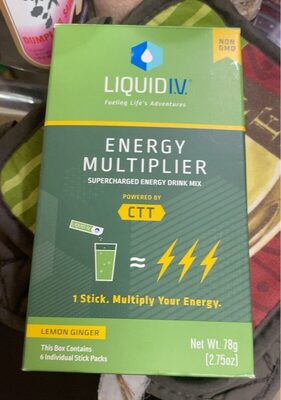
Manufacturers add dextrose anhydrous primarily as a sweetener and bulking agent. It provides a clean, sweet taste and adds volume to food products. It is often found in baked goods, confectionery, powdered drink mixes, and desserts.
Health notes
In the U.S., dextrose is generally recognized as safe (GRAS) by the FDA for use as a food ingredient. It is a source of carbohydrates and provides energy. Regulatory bodies like JECFA and EFSA have evaluated dextrose and determined acceptable intake levels. While it is a sugar, consuming it in moderation as part of a balanced diet is not typically associated with adverse health effects.
Allergen info
Dextrose is not derived from any of the nine FDA major allergens. It does not contain gluten.
Foods that contain Dextrose Anhydrous
Compare products →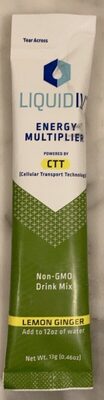
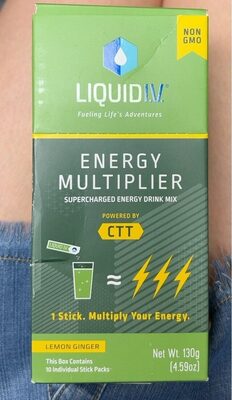
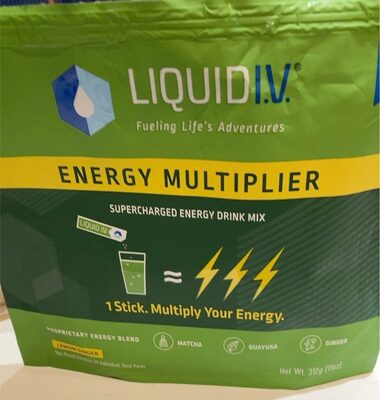

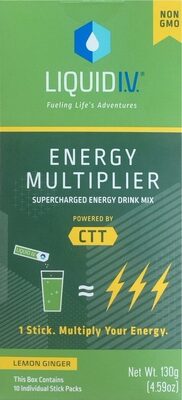
Learn more
Auto-generated content. This description was generated automatically and is pending editorial review. Inaccuracies are possible. Found a mistake? Contact us.