Diced Plum Tomatoes
What is Diced Plum Tomatoes?
Diced plum tomatoes are whole, peeled tomatoes that have been cut into smaller pieces. They are typically made from ripe tomatoes that are processed, peeled, and then diced. These tomatoes are often packed in their own juice or a light tomato puree.
Is Diced Plum Tomatoes vegan?
Diced Plum Tomatoes is not animal-derived. Products that contain it can still include other animal-derived ingredients, so check the full ingredient list.
Is Diced Plum Tomatoes gluten-free?
They do not contain gluten.
Is Diced Plum Tomatoes a major allergen?
Tomatoes are not among the nine major allergens recognized by the FDA.
What is Diced Plum Tomatoes used for?
Diced plum tomatoes are used to add tomato flavor and texture to a variety of dishes.
Is Diced Plum Tomatoes safe?
Diced plum tomatoes are a whole food and are generally considered safe.
Why it's used
Diced plum tomatoes are used to add tomato flavor and texture to a variety of dishes. They are a common ingredient in pasta sauces, soups, stews, and casseroles. Their firm texture holds up well during cooking, making them ideal for recipes where distinct tomato pieces are desired.
Health notes
Diced plum tomatoes are a whole food and are generally considered safe. They are a good source of vitamins and antioxidants, such as lycopene. Regulatory bodies like the FDA do not typically set specific limits for whole fruits and vegetables. There are no widespread controversies regarding the consumption of tomatoes at typical dietary levels.
Allergen info
Tomatoes are not among the nine major allergens recognized by the FDA. They do not contain gluten.
Foods that contain Diced Plum Tomatoes
Compare products →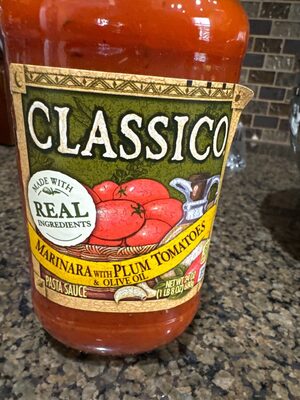 Riviana Foods Inc.
Marinara With Plum Tomatoes & Olive Oil Pasta Sauce, Marinara With Plum Tomatoes & Olive Oil
High in sodium — 20% DV per serving
56kcal
1.6Protein
2Fat
8Carbs
CLASSICO
Chicken Parmigiana
High in sodium — 22% DV per serving
173kcal
5.1Protein
2.0Fat
32.6Carbs
Riviana Foods Inc.
Beef Lasagna Italian Style Dinner Kits, Beef Lasagna
179kcal
6.2Protein
3.1Fat
30.4Carbs
Riviana Foods Inc.
Chicken Parmigiana Italian Style Dinner Kits, Chicken Parmigiana
High in sodium — 22% DV per serving
173kcal
6.1Protein
2.0Fat
32.6Carbs
Riviana Foods Inc.
Marinara With Plum Tomatoes & Olive Oil Pasta Sauce, Marinara With Plum Tomatoes & Olive Oil
High in sodium — 20% DV per serving
56kcal
1.6Protein
2Fat
8Carbs
CLASSICO
Chicken Parmigiana
High in sodium — 22% DV per serving
173kcal
5.1Protein
2.0Fat
32.6Carbs
Riviana Foods Inc.
Beef Lasagna Italian Style Dinner Kits, Beef Lasagna
179kcal
6.2Protein
3.1Fat
30.4Carbs
Riviana Foods Inc.
Chicken Parmigiana Italian Style Dinner Kits, Chicken Parmigiana
High in sodium — 22% DV per serving
173kcal
6.1Protein
2.0Fat
32.6Carbs
Auto-generated content. This description was generated automatically and is pending editorial review. Inaccuracies are possible. Found a mistake? Contact us.