Dihydrocapsiate
What is Dihydrocapsiate?
Dihydrocapsiate is a compound found naturally in chili peppers, but it does not cause a burning sensation. It is produced commercially through a process that isolates and modifies capsaicinoids from chili peppers.
Is Dihydrocapsiate vegan?
Dihydrocapsiate is not animal-derived. Products that contain it can still include other animal-derived ingredients, so check the full ingredient list.
Is Dihydrocapsiate gluten-free?
It does not contain gluten.
Is Dihydrocapsiate a major allergen?
Dihydrocapsiate is not derived from any of the 9 FDA major allergens.
What is Dihydrocapsiate used for?
Dihydrocapsiate is used as a flavor enhancer, providing a mild warming sensation without the heat of capsaicin.
Is Dihydrocapsiate safe?
Dihydrocapsiate is generally recognized as safe (GRAS) by the FDA for use in food.
Why it's used
Dihydrocapsiate is used as a flavor enhancer, providing a mild warming sensation without the heat of capsaicin. It is often added to beverages like sodas and sports drinks to create a unique sensory experience.
Health notes
Dihydrocapsiate is generally recognized as safe (GRAS) by the FDA for use in food. Studies suggest it may offer some metabolic benefits, such as increasing calorie expenditure, though more research is needed. International bodies like EFSA have not specifically evaluated dihydrocapsiate, and there are no widespread controversies regarding its use at typical dietary levels.
Allergen info
Dihydrocapsiate is not derived from any of the 9 FDA major allergens. It does not contain gluten.
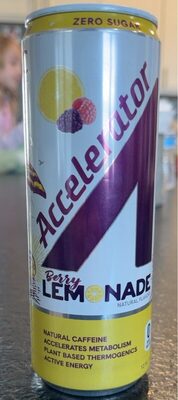
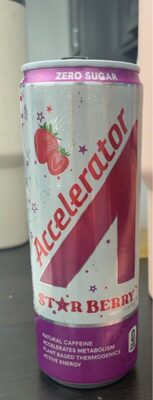
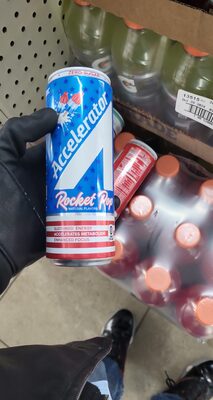
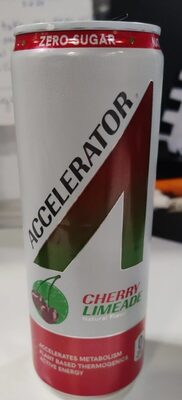
Foods that contain Dihydrocapsiate
Compare products →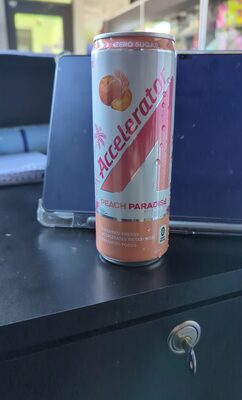
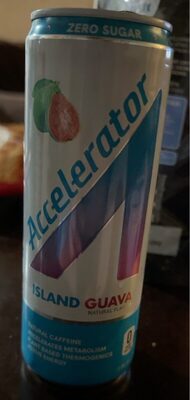
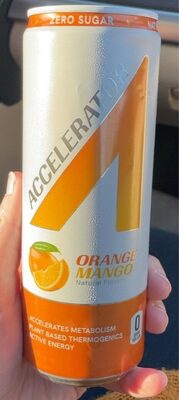
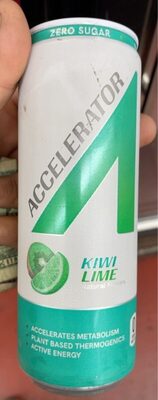
Learn more
Auto-generated content. This description was generated automatically and is pending editorial review. Inaccuracies are possible. Found a mistake? Contact us.