Disodium EDTA To Protect Flavor
What is Disodium EDTA To Protect Flavor?
Disodium EDTA is a synthetic compound that acts as a chelating agent. It is produced through a chemical process involving ethylenediamine, formaldehyde, and sodium cyanide. It is commonly used in food products to bind with metal ions.
Is Disodium EDTA To Protect Flavor vegan?
Disodium EDTA To Protect Flavor is not animal-derived. Products that contain it can still include other animal-derived ingredients, so check the full ingredient list.
Is Disodium EDTA To Protect Flavor a major allergen?
Not a major allergen.
What is Disodium EDTA To Protect Flavor used for?
Disodium EDTA is added to foods to protect flavor and color by preventing metal ions from catalyzing oxidation reactions.
Is Disodium EDTA To Protect Flavor safe?
Disodium EDTA is generally recognized as safe (GRAS) by the FDA for use as a food additive.
Why it's used
Disodium EDTA is added to foods to protect flavor and color by preventing metal ions from catalyzing oxidation reactions. This helps to extend shelf life and maintain product quality. It is often found in dressings, sauces, marinades, and processed vegetables.
Health notes
Disodium EDTA is generally recognized as safe (GRAS) by the FDA for use as a food additive. It is poorly absorbed by the body and is excreted unchanged. JECFA (Joint FAO/WHO Expert Committee on Food Additives) has evaluated it and established an acceptable daily intake. EFSA (European Food Safety Authority) has also evaluated it.
Allergen info
Not a major allergen.
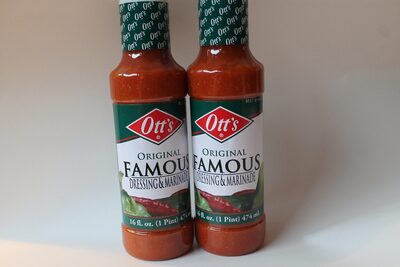
Foods that contain Disodium EDTA To Protect Flavor
Compare products →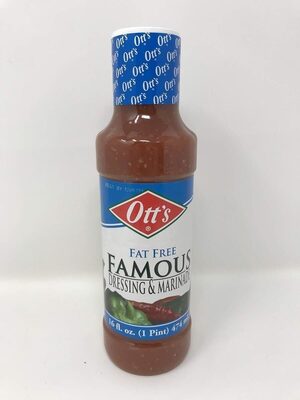
Auto-generated content. This description was generated automatically and is pending editorial review. Inaccuracies are possible. Found a mistake? Contact us.