Disodium Inosnate
What is Disodium Inosnate?
Disodium inosinate is a flavor enhancer that is often produced commercially through the fermentation of sugars by bacteria. It can also be derived from dried fish or seaweed. It is a salt form of inosinic acid.
Is Disodium Inosnate gluten-free?
Disodium inosinate is not derived from any of the nine major allergens and does not contain gluten.
What is Disodium Inosnate used for?
Disodium inosinate is used to intensify savory (umami) flavors in foods.
Is Disodium Inosnate safe?
Disodium inosinate is generally recognized as safe (GRAS) by the U.S. Food and Drug Administration (FDA) when used as a food additive.
Why it's used
Disodium inosinate is used to intensify savory (umami) flavors in foods. It works synergistically with other flavor enhancers like monosodium glutamate (MSG) and disodium guanylate. It is commonly found in instant noodles, soups, sauces, and snack foods.
Health notes
Disodium inosinate is generally recognized as safe (GRAS) by the U.S. Food and Drug Administration (FDA) when used as a food additive. International bodies like the Joint FAO/WHO Expert Committee on Food Additives (JECFA) have also evaluated it. While generally considered safe, some individuals may be sensitive to high intakes of flavor enhancers, though scientific evidence for widespread adverse effects at typical consumption levels is mixed.
Allergen info
Disodium inosinate is not derived from any of the nine major allergens and does not contain gluten.
Foods that contain Disodium Inosnate
Compare products →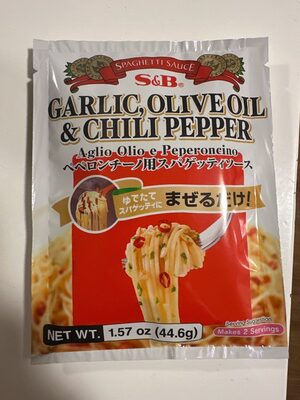 S & B Shokuhin Company Ltd
S&B, Garlic,Olive Oil & Chili Pepper Spaghetti Sauce
High in sodium — 35% DV per serving
455kcal
2.3Protein
45.5Fat
9.1Carbs
S & B Shokuhin Company Ltd
S&B, Garlic,Olive Oil & Chili Pepper Spaghetti Sauce
High in sodium — 35% DV per serving
455kcal
2.3Protein
45.5Fat
9.1Carbs
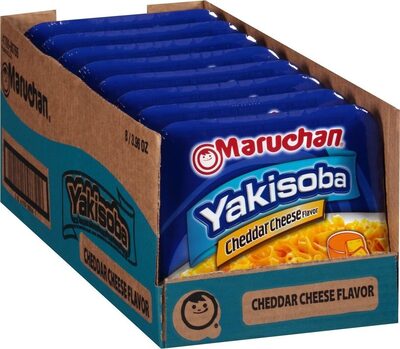 Maruchan, Inc.
Cheddar Cheese Flavor Home Style Japanese Noodles, Yakisoba, Cheddar Cheese Yakisoba
High in sodium — 24% DV per serving
High in saturated fat — 30% DV per serving
480kcal
10.7Protein
21.3Fat
60.4Carbs
Maruchan, Inc.
Cheddar Cheese Flavor Home Style Japanese Noodles, Yakisoba, Cheddar Cheese Yakisoba
High in sodium — 24% DV per serving
High in saturated fat — 30% DV per serving
480kcal
10.7Protein
21.3Fat
60.4Carbs
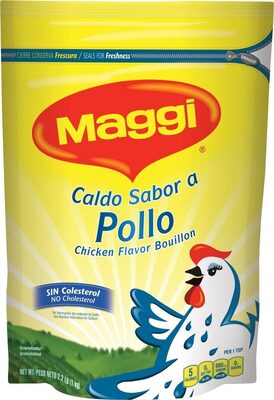 Nestle USA Inc.
Granulated Chicken Flavor Bouillon, Granulated Chicken
125kcal
0Protein
0Fat
25Carbs
Hanover Foods Corporation
Blue Lake Cut Green Beans And Whole Potatoes In Ham Flavored Sauce
25kcal
0.8Protein
0.4Fat
5Carbs
Nestle USA Inc.
Granulated Chicken Flavor Bouillon, Granulated Chicken
125kcal
0Protein
0Fat
25Carbs
Hanover Foods Corporation
Blue Lake Cut Green Beans And Whole Potatoes In Ham Flavored Sauce
25kcal
0.8Protein
0.4Fat
5Carbs
Learn more
Auto-generated content. This description was generated automatically and is pending editorial review. Inaccuracies are possible. Found a mistake? Contact us.