Dried Habanero Pepper
What is Dried Habanero Pepper?
Dried habanero pepper is a variety of chili pepper known for its intense heat and fruity flavor. It is the dried form of the fresh habanero pepper, which is native to the Amazon region and widely cultivated in tropical climates. Drying concentrates its flavor and heat.
Is Dried Habanero Pepper vegan?
Dried Habanero Pepper is not animal-derived. Products that contain it can still include other animal-derived ingredients, so check the full ingredient list.
Is Dried Habanero Pepper a major allergen?
Not a major allergen.
What is Dried Habanero Pepper used for?
Dried habanero pepper is used as a spice to add significant heat and a distinct fruity flavor to foods.
Is Dried Habanero Pepper safe?
Habanero peppers contain capsaicin, the compound responsible for their heat.
Why it's used
Dried habanero pepper is used as a spice to add significant heat and a distinct fruity flavor to foods. It is commonly found in hot sauces, marinades, spice blends, rubs, and savory dishes where a strong chili kick is desired.
Health notes
Habanero peppers contain capsaicin, the compound responsible for their heat. Capsaicin has been studied for potential effects on metabolism and pain relief. The FDA has not established specific regulations for dried habanero pepper as a food additive, but it is generally recognized as safe (GRAS) when used as a spice. International bodies like EFSA have evaluated capsaicinoids, but no specific ADI is set for dried habanero pepper itself.
Allergen info
Not a major allergen. Dried habanero pepper is a fruit and not derived from any of the nine FDA major allergens.
Foods that contain Dried Habanero Pepper
Compare products →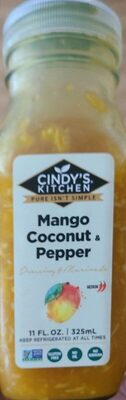
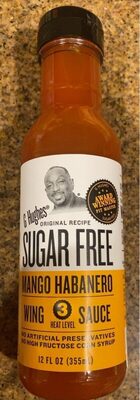
Learn more
Auto-generated content. This description was generated automatically and is pending editorial review. Inaccuracies are possible. Found a mistake? Contact us.