Dried Habanero Peppers
What is Dried Habanero Peppers?
Habanero peppers are a variety of chili pepper known for their intense heat and fruity flavor. They are native to the Amazon region and are now cultivated in various parts of the world, including Mexico and Central America. The peppers are typically dried to preserve them and concentrate their flavor and heat.
Is Dried Habanero Peppers vegan?
Dried Habanero Peppers is not animal-derived. Products that contain it can still include other animal-derived ingredients, so check the full ingredient list.
Is Dried Habanero Peppers gluten-free?
They do not contain gluten.
Is Dried Habanero Peppers a major allergen?
Dried habanero peppers are not derived from any of the nine FDA major allergens.
What is Dried Habanero Peppers used for?
Dried habanero peppers are used as a spice to add significant heat and a distinct fruity flavor to foods.
Is Dried Habanero Peppers safe?
Dried habanero peppers are generally recognized as safe (GRAS) by the FDA when used as a food ingredient.
Why it's used
Dried habanero peppers are used as a spice to add significant heat and a distinct fruity flavor to foods. Manufacturers include them in a wide range of products, especially savory items like sausages, hot dogs, dips, and salsas, to provide a spicy kick.
Health notes
Dried habanero peppers are generally recognized as safe (GRAS) by the FDA when used as a food ingredient. The primary active compound, capsaicin, is responsible for their heat and can cause temporary digestive discomfort in some individuals if consumed in very large quantities. International bodies like JECFA have evaluated capsaicinoids, but no specific numeric limits are set for dried peppers in general food use. Evidence does not suggest adverse health effects from typical dietary consumption.
Allergen info
Dried habanero peppers are not derived from any of the nine FDA major allergens. They do not contain gluten.
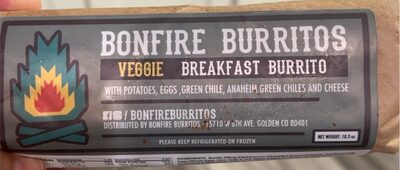
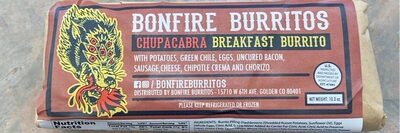
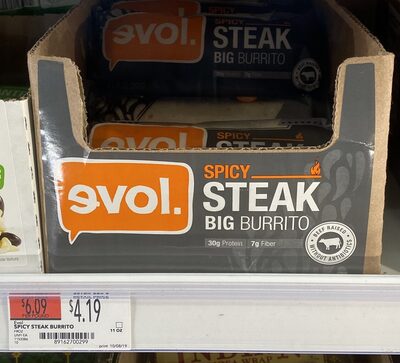
Foods that contain Dried Habanero Peppers
Compare products →
Learn more
Auto-generated content. This description was generated automatically and is pending editorial review. Inaccuracies are possible. Found a mistake? Contact us.