Dried Horseradish
Auto-generated content. This description was generated automatically and is pending editorial review. Inaccuracies are possible. Found a mistake? Contact us.
What it is
Dried horseradish is made from the root of the horseradish plant, a perennial herb in the mustard family. The root is harvested, cleaned, and then dried, often through dehydration, to preserve it and concentrate its flavor. It has a pungent, spicy taste similar to fresh horseradish but is more stable for storage and use in processed foods.
Why it's used
Dried horseradish is primarily used as a flavoring agent to impart a sharp, pungent taste. It is often found in sauces, dressings, marinades, and spice blends. Manufacturers use it to add a distinct kick to products like potato chips, pretzels, dips, and ethnic-inspired sauces.
Health notes
Dried horseradish is generally recognized as safe (GRAS) by the FDA when used as a food ingredient. It is not typically associated with adverse health effects at the levels found in food. International bodies like JECFA have evaluated horseradish and its components, but they have not set a numeric acceptable daily intake (ADI). Evidence does not suggest significant health concerns from its consumption in typical food amounts.
Allergen info
Horseradish is not one of the nine major allergens recognized by the FDA. It does not contain gluten.
Products containing Dried Horseradish
Compare products →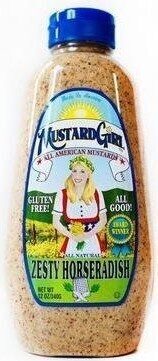 R & R Enterprises
All Natural Mustards
100kcal
0Protein
0Fat
0Carbs
The Kellogg Company
Wasabi & Soy Sauce Flavored Potato Crisps, Wasabi & Soy Sauce
536kcal
3.6Protein
32.1Fat
57.1Carbs
Weis Markets, Inc.
Cocktail Sauce, Cocktail
117kcal
1.7Protein
0Fat
23.3Carbs
Weis Markets, Inc.
Chesapeake Cocktail Sauce, Chesapeake
High in sodium — 29% DV per serving
117kcal
1.7Protein
0Fat
21.7Carbs
R & R Enterprises
All Natural Mustards
100kcal
0Protein
0Fat
0Carbs
The Kellogg Company
Wasabi & Soy Sauce Flavored Potato Crisps, Wasabi & Soy Sauce
536kcal
3.6Protein
32.1Fat
57.1Carbs
Weis Markets, Inc.
Cocktail Sauce, Cocktail
117kcal
1.7Protein
0Fat
23.3Carbs
Weis Markets, Inc.
Chesapeake Cocktail Sauce, Chesapeake
High in sodium — 29% DV per serving
117kcal
1.7Protein
0Fat
21.7Carbs
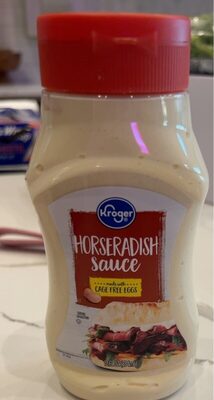 The Kroger Co.
Horseradish Sauce, Horseradish
400kcal
0Protein
40Fat
20Carbs
The Kroger Co.
Horseradish Sauce, Horseradish
400kcal
0Protein
40Fat
20Carbs
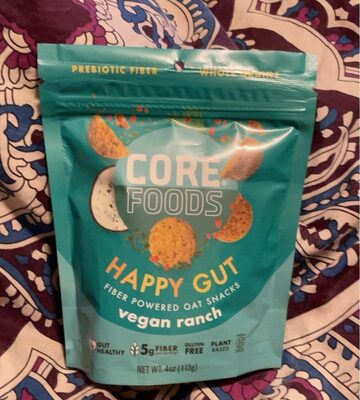 Muse Nutrition LLC
Vegan Ranch Happy Gut Fiber Powered Oat Snacks, Vegan Ranch
400kcal
10Protein
16.7Fat
63.3Carbs
Muse Nutrition LLC
Vegan Ranch Happy Gut Fiber Powered Oat Snacks, Vegan Ranch
400kcal
10Protein
16.7Fat
63.3Carbs