Dried Red Chilli
What is Dried Red Chilli?
Dried red chili peppers are the dried fruits of plants from the genus Capsicum. They are harvested when ripe, then dried through sun-drying or mechanical methods to reduce moisture content. This process concentrates their flavor and heat.
Is Dried Red Chilli vegan?
Dried Red Chilli is not animal-derived. Products that contain it can still include other animal-derived ingredients, so check the full ingredient list.
Is Dried Red Chilli a major allergen?
Not a major allergen.
What is Dried Red Chilli used for?
Dried red chilies are primarily used to add heat and flavor to foods.
Is Dried Red Chilli safe?
Dried red chili peppers contain capsaicin, the compound responsible for their heat.
Why it's used
Dried red chilies are primarily used to add heat and flavor to foods. They are a staple in many cuisines worldwide, including Mexican, Indian, Thai, and Chinese. Manufacturers use them in spice blends, sauces, marinades, and processed snacks.
Health notes
Dried red chili peppers contain capsaicin, the compound responsible for their heat. The FDA considers chili peppers and their extracts to be Generally Recognized As Safe (GRAS) for use as flavoring. While generally safe, consuming large amounts can cause digestive upset in some individuals. International bodies like EFSA have evaluated capsaicinoids, but no specific numeric limits are set for general consumption.
Allergen info
Not a major allergen.
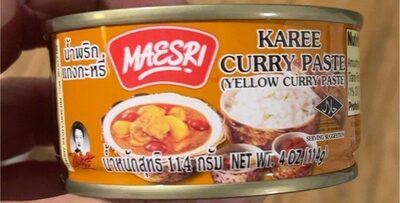
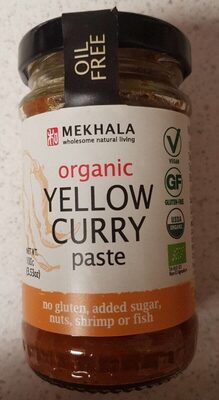
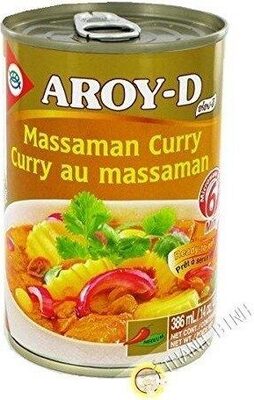
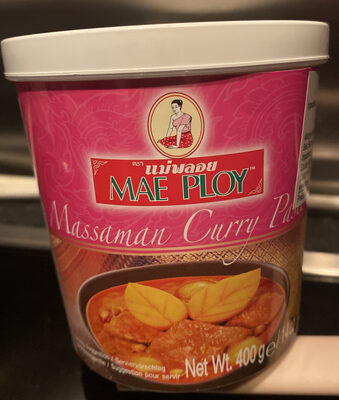
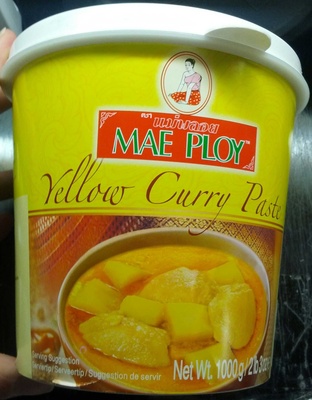
Foods that contain Dried Red Chilli
Compare products →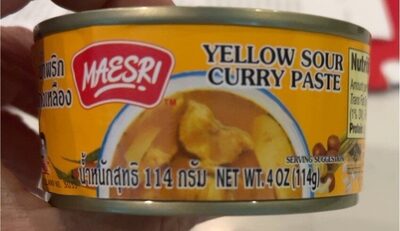
Learn more
Auto-generated content. This description was generated automatically and is pending editorial review. Inaccuracies are possible. Found a mistake? Contact us.