Dried Sweet Basil
What is Dried Sweet Basil?
Sweet basil is an herb native to tropical regions of the Middle East and Asia. It is the common sweet basil variety, Ocimum basilicum, which is widely cultivated for its aromatic leaves. The leaves are harvested and dried to preserve them for use as a culinary ingredient.
Is Dried Sweet Basil vegan?
Dried Sweet Basil is not animal-derived. Products that contain it can still include other animal-derived ingredients, so check the full ingredient list.
Is Dried Sweet Basil gluten-free?
It does not contain gluten.
Is Dried Sweet Basil a major allergen?
Dried sweet basil is not one of the nine major allergens recognized by the FDA.
What is Dried Sweet Basil used for?
Dried sweet basil is used as a flavoring agent in a wide variety of foods.
Is Dried Sweet Basil safe?
Dried sweet basil is generally recognized as safe (GRAS) by the FDA when used as a food ingredient.
Why it's used
Dried sweet basil is used as a flavoring agent in a wide variety of foods. Its sweet, slightly peppery flavor complements many dishes, especially Italian cuisine. It is commonly found in pasta sauces, pizzas, soups, salad dressings, and spice blends.
Health notes
Dried sweet basil is generally recognized as safe (GRAS) by the FDA when used as a food ingredient. It is a common herb with no significant health concerns associated with its typical consumption in food. International bodies like JECFA have evaluated many herbs and spices, and while specific evaluations for dried sweet basil may vary, it is widely accepted as safe for culinary use.
Allergen info
Dried sweet basil is not one of the nine major allergens recognized by the FDA. It does not contain gluten.
Foods that contain Dried Sweet Basil
Compare products →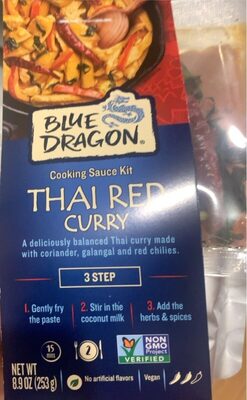 Interggs, Inc.
Thai Red Curry Cooking Sauce Kit, Thai Red Curry
High in saturated fat — 90% DV per serving
181kcal
2.4Protein
16.5Fat
6.3Carbs
Musco Olive Products, Inc.
Musco Family Olive Co., Pearls, California Grown Specialties Herbs & Sweet Pepper Olives
67kcal
0Protein
3.3Fat
6.7Carbs
Bristol Farms
Lemon Herb Pita Chips, Lemon Herb
211kcal
5.3Protein
8.8Fat
35.1Carbs
Interggs, Inc.
Thai Red Curry Cooking Sauce Kit, Thai Red Curry
High in saturated fat — 90% DV per serving
181kcal
2.4Protein
16.5Fat
6.3Carbs
Musco Olive Products, Inc.
Musco Family Olive Co., Pearls, California Grown Specialties Herbs & Sweet Pepper Olives
67kcal
0Protein
3.3Fat
6.7Carbs
Bristol Farms
Lemon Herb Pita Chips, Lemon Herb
211kcal
5.3Protein
8.8Fat
35.1Carbs
Learn more
Auto-generated content. This description was generated automatically and is pending editorial review. Inaccuracies are possible. Found a mistake? Contact us.