Dulse
What is Dulse?
Dulse is a type of red seaweed, also known as Palmaria palmata. It grows wild along the coasts of the North Atlantic and North Pacific oceans. Dulse is typically harvested by hand and then dried.
Is Dulse vegan?
Dulse is not animal-derived. Products that contain it can still include other animal-derived ingredients, so check the full ingredient list.
Is Dulse gluten-free?
It does not contain gluten.
Is Dulse a major allergen?
Dulse is not one of the nine major allergens.
What is Dulse used for?
Dulse is used as a food ingredient for its savory, umami flavor, often described as similar to bacon when fried.
Is Dulse safe?
Dulse is generally recognized as safe (GRAS) by the FDA for use in food.
Why it's used
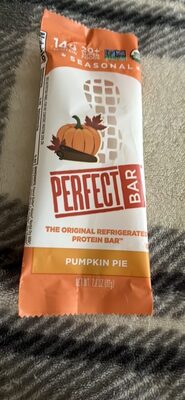
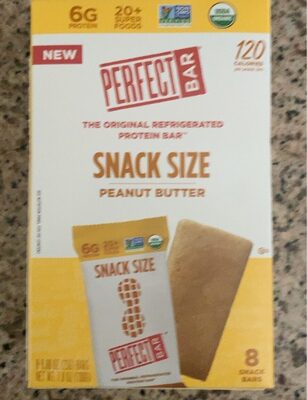
Dulse is used as a food ingredient for its savory, umami flavor, often described as similar to bacon when fried. It can also add a salty taste and a deep red color to foods. It is commonly found in snack bars, candies, and juices.
Health notes
Dulse is generally recognized as safe (GRAS) by the FDA for use in food. It is a natural source of vitamins, minerals, and fiber. The Joint FAO/WHO Expert Committee on Food Additives (JECFA) has evaluated dulse, but did not set a numeric acceptable daily intake (ADI). Like other seaweeds, dulse can absorb heavy metals from its environment, so sourcing and processing are important.
Allergen info
Dulse is not one of the nine major allergens. It does not contain gluten.
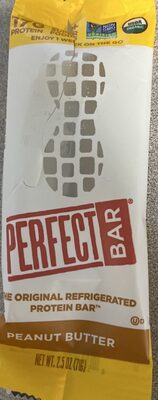
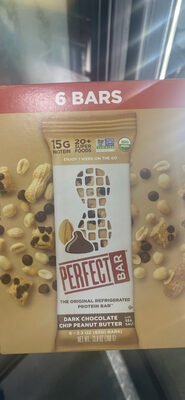
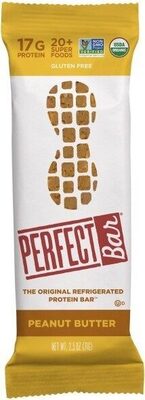
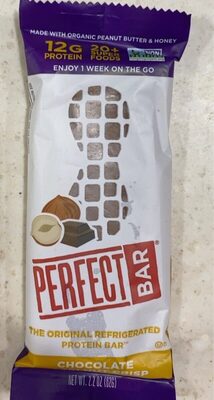
Foods that contain Dulse
Compare products →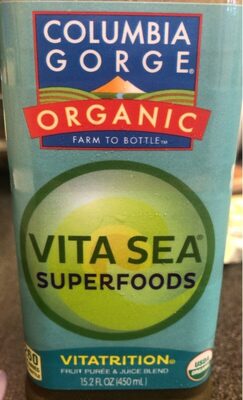


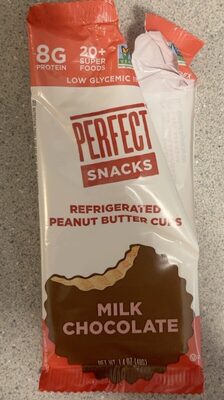
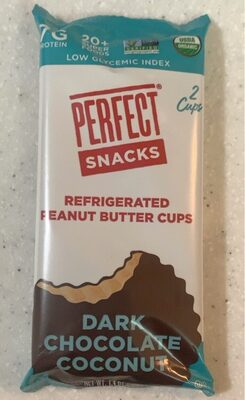
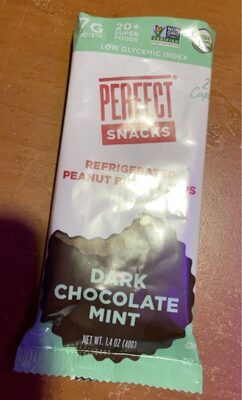
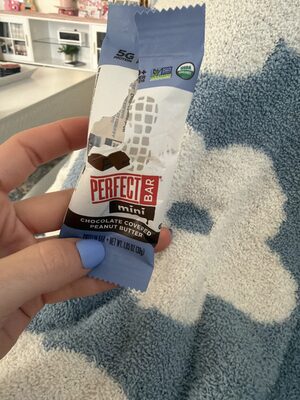
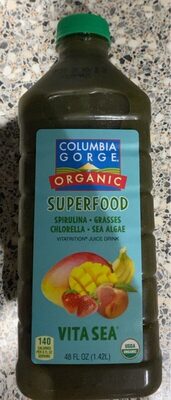

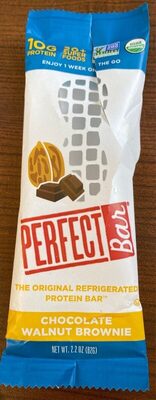
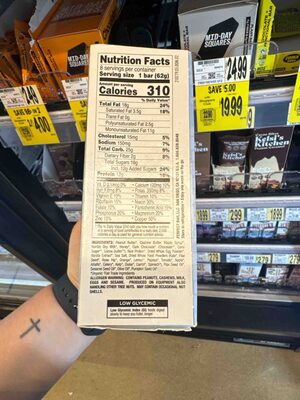



Learn more
Auto-generated content. This description was generated automatically and is pending editorial review. Inaccuracies are possible. Found a mistake? Contact us.