Dutch Processed Cocoa Powder With Alkali
Auto-generated content. This description was generated automatically and is pending editorial review. Inaccuracies are possible. Found a mistake? Contact us.
What it is
Dutch-processed cocoa powder is made by treating cocoa beans with an alkaline solution before roasting and grinding. This process neutralizes the acidity of natural cocoa, resulting in a smoother, less bitter flavor and a darker color. It is a key ingredient in many chocolate-flavored products.
Why it's used
Manufacturers use Dutch-processed cocoa powder primarily for its rich chocolate flavor and dark color. The alkalization process also helps it dissolve more easily in liquids and can affect how it interacts with leavening agents in baked goods. It is commonly found in cookies, cakes, brownies, and ice cream.
Health notes
Dutch-processed cocoa powder is generally recognized as safe (GRAS) by the FDA for use in food. The alkalization process may reduce the levels of certain beneficial compounds found in natural cocoa, but the overall health impact at typical consumption levels is not a major concern. International bodies like JECFA have evaluated cocoa and its derivatives, and EFSA has also reviewed cocoa flavanols. Evidence regarding the health effects of cocoa and its components is ongoing.
Allergen info
Cocoa powder is not derived from any of the 9 major allergens. It does not contain gluten.
Products containing Dutch Processed Cocoa Powder With Alkali
Compare products →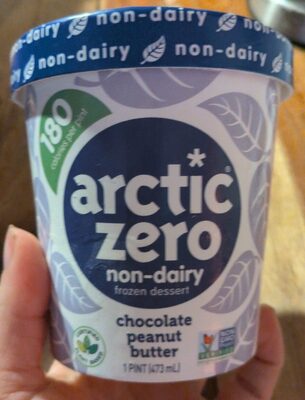 Arctic Zero
Chocolate Peanut Butter Non-Dairy Frozen Dessert, Chocolate Peanut Butter
78kcal
1.7Protein
0.9Fat
15.5Carbs
Arctic Zero
Chocolate Peanut Butter Non-Dairy Frozen Dessert, Chocolate Peanut Butter
78kcal
1.7Protein
0.9Fat
15.5Carbs
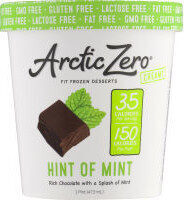 Arctic Zero
Hint Of Mint Non-Dairy Frozen Dessert, Hint Of Mint
69kcal
1.7Protein
0Fat
15.5Carbs
Arctic Zero
Cookie Shake Non-Dairy Frozen Dessert, Cookie Shake
69kcal
1.7Protein
0Fat
15.5Carbs
Arctic Zero
Hint Of Mint Non-Dairy Frozen Dessert, Hint Of Mint
69kcal
1.7Protein
0Fat
15.5Carbs
Arctic Zero
Cookie Shake Non-Dairy Frozen Dessert, Cookie Shake
69kcal
1.7Protein
0Fat
15.5Carbs
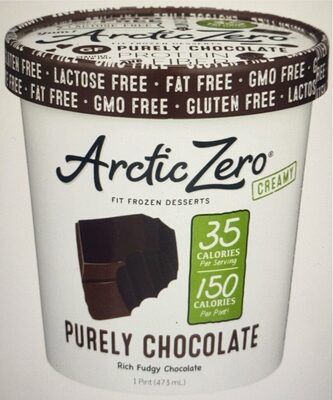 Arctic Zero
Purely Chocolate Non-Dairy Frozen Dessert, Purely Chocolate
69kcal
1.7Protein
0Fat
15.5Carbs
Arctic Zero
Fit Frozen Desserts, Rocky Road Trip
107kcal
4.3Protein
1.4Fat
17.1Carbs
Arctic Zero
Brownie Blast Non-Dairy Frozen Dessert, Brownie Blast
138kcal
1.7Protein
2.6Fat
25.9Carbs
Arctic Zero
Light Ice Cream, Cookies & Cream
155kcal
3.5Protein
4.3Fat
27.6Carbs
Arctic Zero
Light Ice Cream, Chocolate Chunk
138kcal
3.5Protein
3.5Fat
24.1Carbs
Arctic Zero
Salted Caramel Dipped In Chocolate Liqueur Fit Frozen Desserts Bars, Salted Caramel
High in saturated fat — 20% DV per serving
136kcal
5.1Protein
8.5Fat
11.9Carbs
Arctic Zero
Dark Chocolate Bars
High in saturated fat — 20% DV per serving
136kcal
5.1Protein
8.5Fat
11.9Carbs
Arctic Zero
Purely Chocolate Non-Dairy Frozen Dessert, Purely Chocolate
69kcal
1.7Protein
0Fat
15.5Carbs
Arctic Zero
Fit Frozen Desserts, Rocky Road Trip
107kcal
4.3Protein
1.4Fat
17.1Carbs
Arctic Zero
Brownie Blast Non-Dairy Frozen Dessert, Brownie Blast
138kcal
1.7Protein
2.6Fat
25.9Carbs
Arctic Zero
Light Ice Cream, Cookies & Cream
155kcal
3.5Protein
4.3Fat
27.6Carbs
Arctic Zero
Light Ice Cream, Chocolate Chunk
138kcal
3.5Protein
3.5Fat
24.1Carbs
Arctic Zero
Salted Caramel Dipped In Chocolate Liqueur Fit Frozen Desserts Bars, Salted Caramel
High in saturated fat — 20% DV per serving
136kcal
5.1Protein
8.5Fat
11.9Carbs
Arctic Zero
Dark Chocolate Bars
High in saturated fat — 20% DV per serving
136kcal
5.1Protein
8.5Fat
11.9Carbs