Edible Glitter
What is Edible Glitter?
Edible glitter is a food-safe decorating ingredient that adds sparkle and visual appeal to foods. It is typically made from food-grade ingredients like gum arabic, corn syrup, sugar, and food coloring, processed into small, reflective flakes or particles.
Is Edible Glitter a major allergen?
Edible glitter is not typically derived from major allergens.
What is Edible Glitter used for?
Manufacturers use edible glitter primarily for decoration, adding a shimmering effect to baked goods, desserts, and beverages.
Is Edible Glitter safe?
Edible glitter is generally recognized as safe (GRAS) by the FDA for use as a food decorative.
Why it's used
Manufacturers use edible glitter primarily for decoration, adding a shimmering effect to baked goods, desserts, and beverages. It is commonly found in products like cakes, cookies, cupcakes, ice cream, and candies, enhancing their visual attractiveness.
Health notes
Edible glitter is generally recognized as safe (GRAS) by the FDA for use as a food decorative. Regulatory bodies like the Joint FAO/WHO Expert Committee on Food Additives (JECFA) and the European Food Safety Authority (EFSA) have evaluated many of the components used in edible glitter. While generally considered safe in the small amounts used for decoration, some individuals may have sensitivities to specific ingredients.
Allergen info
Edible glitter is not typically derived from major allergens. However, consumers should always check the ingredient list for specific products, as some formulations might contain ingredients derived from wheat or soy, or be manufactured in facilities that handle allergens.
Foods that contain Edible Glitter
Compare products →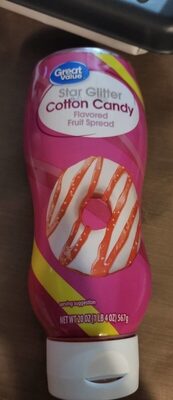
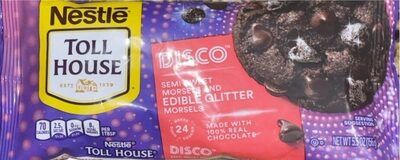
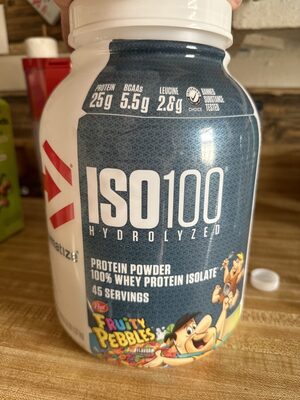
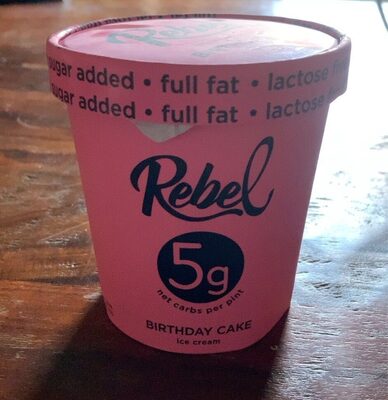

Learn more
Auto-generated content. This description was generated automatically and is pending editorial review. Inaccuracies are possible. Found a mistake? Contact us.