Electrolyte Sources For Taste
What is Electrolyte Sources For Taste?
Electrolyte sources for taste are minerals, often salts, that are added to foods and beverages to improve their flavor. Common examples include sodium chloride (table salt), potassium chloride, and magnesium sulfate. These minerals are naturally occurring and are processed to meet food-grade standards.
Is Electrolyte Sources For Taste vegan?
Electrolyte Sources For Taste is not animal-derived. Products that contain it can still include other animal-derived ingredients, so check the full ingredient list.
Is Electrolyte Sources For Taste a major allergen?
Not a major allergen.
What is Electrolyte Sources For Taste used for?
Manufacturers add electrolyte sources to enhance or balance the taste of products, especially those designed for hydration or sports.
Is Electrolyte Sources For Taste safe?
Electrolyte sources like sodium and potassium are essential minerals for human health.
Why it's used
Manufacturers add electrolyte sources to enhance or balance the taste of products, especially those designed for hydration or sports. They can help create a more palatable flavor profile in plain water, sports drinks, and some processed foods. They are also used to provide a salty or mineral-like taste.
Health notes
Electrolyte sources like sodium and potassium are essential minerals for human health. Sodium chloride is Generally Recognized As Safe (GRAS) by the FDA. Excessive sodium intake is linked to high blood pressure, and the FDA Daily Value for sodium is 2,300 mg. Potassium chloride is also GRAS and is used as a salt substitute. JECFA has evaluated various electrolyte salts and established acceptable daily intakes for some. Evidence does not suggest adverse health effects from consuming these minerals at typical dietary levels.
Allergen info
Not a major allergen. Electrolyte sources are typically minerals and not derived from the major allergens.
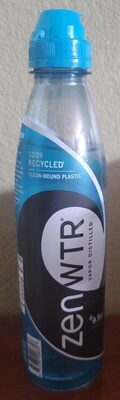
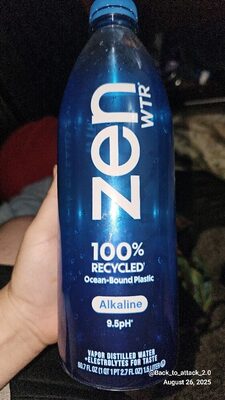
Foods that contain Electrolyte Sources For Taste
Compare products →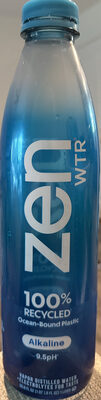
Auto-generated content. This description was generated automatically and is pending editorial review. Inaccuracies are possible. Found a mistake? Contact us.