Fair Trade Organic Vanilla Extract
What is Fair Trade Organic Vanilla Extract?
Fair Trade Organic Vanilla Extract is a liquid flavoring made from vanilla beans. The beans are sourced from vanilla orchids, typically grown in tropical regions. They are processed through a method of maceration and percolation using alcohol and water to extract their characteristic flavor and aroma.
Is Fair Trade Organic Vanilla Extract vegan?
Fair Trade Organic Vanilla Extract is not animal-derived. Products that contain it can still include other animal-derived ingredients, so check the full ingredient list.
Is Fair Trade Organic Vanilla Extract gluten-free?
It does not contain gluten.
Is Fair Trade Organic Vanilla Extract a major allergen?
Vanilla extract is not derived from any of the nine FDA major allergens.
What is Fair Trade Organic Vanilla Extract used for?
Manufacturers add vanilla extract to provide a sweet, warm, and pleasant flavor to a wide variety of foods.
Is Fair Trade Organic Vanilla Extract safe?
Vanilla extract is generally recognized as safe (GRAS) by the FDA for use as a flavoring.
Why it's used
Manufacturers add vanilla extract to provide a sweet, warm, and pleasant flavor to a wide variety of foods. It is commonly used in baked goods, desserts, ice cream, beverages, and confectionery. The 'Fair Trade' and 'Organic' labels indicate that the beans were produced under specific social and environmental standards.
Health notes
Vanilla extract is generally recognized as safe (GRAS) by the FDA for use as a flavoring. It is used in very small amounts in food, and no adverse health effects are expected at these typical consumption levels. International bodies like JECFA have evaluated vanilla and its derivatives. There are no widespread controversies regarding its use as a food flavoring.
Allergen info
Vanilla extract is not derived from any of the nine FDA major allergens. It does not contain gluten.
Foods that contain Fair Trade Organic Vanilla Extract
Compare products →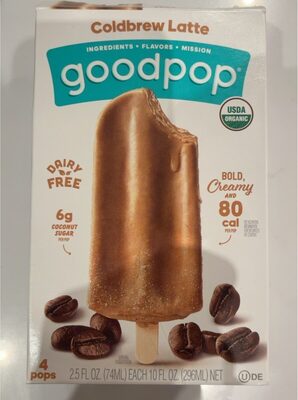
Learn more
Auto-generated content. This description was generated automatically and is pending editorial review. Inaccuracies are possible. Found a mistake? Contact us.