FD&C Red Color #3
What is FD&C Red Color #3?
FD&C Red Color #3, also known as Erythrosine, is a synthetic food dye that gives products a cherry-red color. It is produced from petroleum-based raw materials through chemical synthesis.
Is FD&C Red Color #3 vegan?
FD&C Red Color #3 is not animal-derived. Products that contain it can still include other animal-derived ingredients, so check the full ingredient list.
Is FD&C Red Color #3 a major allergen?
Not a major allergen.
What is FD&C Red Color #3 used for?
Manufacturers add Red 3 to foods to achieve a red hue.
Is FD&C Red Color #3 safe?
The FDA revoked the use of Red 3 for food in January 2025, with manufacturers having until January 2027 to comply.
Why it's used
Manufacturers add Red 3 to foods to achieve a red hue. It is commonly found in candies, nutritional shakes, and other beverages to enhance their visual appeal.
Health notes
The FDA revoked the use of Red 3 for food in January 2025, with manufacturers having until January 2027 to comply. This revocation was based on the Delaney Clause, as it caused cancer in male rats, though the FDA stated this finding is not relevant to human risk. JECFA has evaluated Red 3 and set an acceptable daily intake, and EFSA has also assessed its safety. California's Food Safety Act (AB 418) bans Red 3 in food from 2027.
Allergen info
Not a major allergen.
Foods that contain FD&C Red Color #3
Compare products →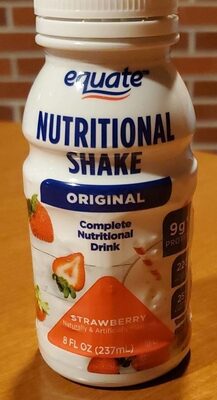
Learn more
Auto-generated content. This description was generated automatically and is pending editorial review. Inaccuracies are possible. Found a mistake? Contact us.