FD&C
Auto-generated content. This description was generated automatically and is pending editorial review. Inaccuracies are possible. Found a mistake? Contact us.
What it is
FD&C stands for "Food, Drug, and Cosmetic" and refers to a group of synthetic color additives approved for use in foods, drugs, and cosmetics in the United States. These colors are typically manufactured from petroleum-based raw materials.
Why it's used
Manufacturers add FD&C colors to enhance the visual appeal of foods, making them look more vibrant or consistent. They are commonly found in a wide range of processed foods, including candies, baked goods, beverages, and desserts.
Health notes
The U.S. Food and Drug Administration (FDA) approves individual FD&C colors as food additives. Some FD&C colors have been the subject of debate regarding potential links to hyperactivity in children, though scientific evidence on this topic remains mixed. In April 2025, the FDA announced a plan to phase out petroleum-based synthetic dyes, including Red 40, Yellow 5, Yellow 6, Blue 1, Blue 2, Green 3, Citrus Red 2, and Orange B. Additionally, the FDA revoked the approval of Red 3 for food use in January 2025, with manufacturers having until January 2027 to comply.
Allergen info
FD&C colors are not derived from any of the nine major FDA allergens.
Products containing FD&C
Compare products →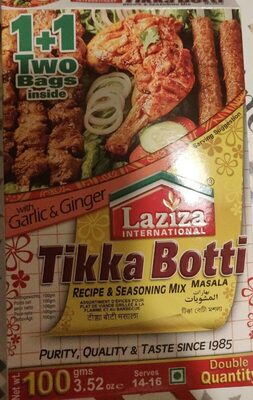 LAZIZA
Tikka Botti Spice Mix
429kcal
14.3Protein
14.3Fat
57.1Carbs
NOT A BRANDED ITEM
Skull Faces Sugar Cookie Kit
442kcal
4.7Protein
13.9Fat
72.1Carbs
NANTONG JIANLONG FOOD CO., LTD
Fruit Jelly
100kcal
0Protein
0Fat
25.7Carbs
Healthy Food Brands LLC
Allison's, Candy Kabob
300kcal
2.9Protein
0Fat
60Carbs
Fuji Food Products Inc.
Seaweed Salad
High in sodium — 36% DV per serving
70kcal
1Protein
2.5Fat
11Carbs
LAZIZA
Tikka Botti Spice Mix
429kcal
14.3Protein
14.3Fat
57.1Carbs
NOT A BRANDED ITEM
Skull Faces Sugar Cookie Kit
442kcal
4.7Protein
13.9Fat
72.1Carbs
NANTONG JIANLONG FOOD CO., LTD
Fruit Jelly
100kcal
0Protein
0Fat
25.7Carbs
Healthy Food Brands LLC
Allison's, Candy Kabob
300kcal
2.9Protein
0Fat
60Carbs
Fuji Food Products Inc.
Seaweed Salad
High in sodium — 36% DV per serving
70kcal
1Protein
2.5Fat
11Carbs
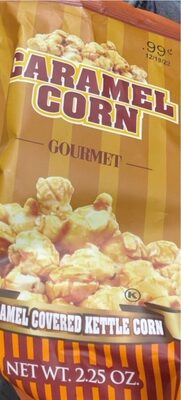 Yorkshire Food Sales Corp.
Gourmet Corn, Caramel
500kcal
3.6Protein
17.9Fat
85.7Carbs
Charles River Media
Jumbo White Patriotic Cupcake
High in saturated fat — 45% DV per serving
415kcal
1.4Protein
23.2Fat
50.7Carbs
Edutunes
Fruity Bites Peach Style
92kcal
0Protein
0Fat
23.1Carbs
Edutunes
Coconut Jelly (Assorted)
95kcal
0Protein
0Fat
22.5Carbs
Yorkshire Food Sales Corp.
Gourmet Corn, Caramel
500kcal
3.6Protein
17.9Fat
85.7Carbs
Charles River Media
Jumbo White Patriotic Cupcake
High in saturated fat — 45% DV per serving
415kcal
1.4Protein
23.2Fat
50.7Carbs
Edutunes
Fruity Bites Peach Style
92kcal
0Protein
0Fat
23.1Carbs
Edutunes
Coconut Jelly (Assorted)
95kcal
0Protein
0Fat
22.5Carbs