Filters/reduces Chlorine & Fluoride
Auto-generated content. This description was generated automatically and is pending editorial review. Inaccuracies are possible. Found a mistake? Contact us.
What it is
Activated charcoal is a fine black powder made from charred organic materials like coconut shells or wood. It's processed to be highly porous, which allows it to adsorb (bind to) substances. This adsorption property is key to its use in filtering.
Why it's used
Activated charcoal is used as a filtering agent in some packaged foods and beverages. Its primary function is to reduce or remove impurities like chlorine and fluoride from water used in these products. It is most often found in various types of drinks.
Health notes
Activated charcoal is generally recognized as safe (GRAS) by the FDA for use as a filtering agent. It works by binding to substances, which can include both impurities and beneficial nutrients or medications. Because it can adsorb medications, it is often advised to consume it several hours apart from any drugs. Regulatory bodies like JECFA and EFSA have evaluated activated charcoal, but no specific health advisories are typically associated with its use in food at these low levels.
Allergen info
Activated charcoal is not derived from any of the 9 FDA major allergens. It is also gluten-free.
Products containing Filters/reduces Chlorine & Fluoride
Compare products →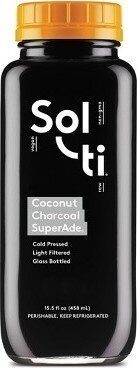 JuiceDelivery L.L.C. (Solti)
Coconut Charcoal Superade, Coconut Charcoal
8kcal
0.2Protein
0Fat
1.8Carbs
JuiceDelivery L.L.C. (Solti)
Reishi Turmeric Organic Superade, Reishi Turmeric
19kcal
0.2Protein
0Fat
4.5Carbs
JuiceDelivery L.L.C. (Solti)
Coconut Charcoal Superade, Coconut Charcoal
8kcal
0.2Protein
0Fat
1.8Carbs
JuiceDelivery L.L.C. (Solti)
Reishi Turmeric Organic Superade, Reishi Turmeric
19kcal
0.2Protein
0Fat
4.5Carbs
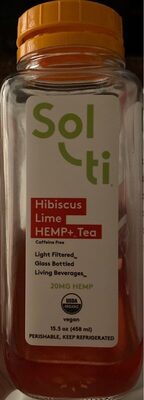 JuiceDelivery L.L.C. (Solti)
Hibiscus Lime Hemp+ Tea, Hibiscus Lime
4kcal
0Protein
0Fat
0.8Carbs
JuiceDelivery L.L.C. (Solti)
Ginger Lemon 20Mg Hemp+ Tea, Ginger Lemon
4kcal
0Protein
0Fat
0.8Carbs
JuiceDelivery L.L.C. (Solti)
Hibiscus Lime Hemp+ Tea, Hibiscus Lime
4kcal
0Protein
0Fat
0.8Carbs
JuiceDelivery L.L.C. (Solti)
Ginger Lemon 20Mg Hemp+ Tea, Ginger Lemon
4kcal
0Protein
0Fat
0.8Carbs
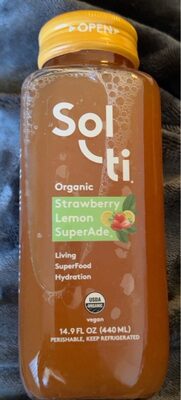 JuiceDelivery L.L.C. (Solti)
Strawberry Lemon Organic Superade, Strawberry Lemon
18kcal
0.2Protein
0Fat
4.8Carbs
JuiceDelivery L.L.C. (Solti)
Strawberry Lemon Organic Superade, Strawberry Lemon
18kcal
0.2Protein
0Fat
4.8Carbs
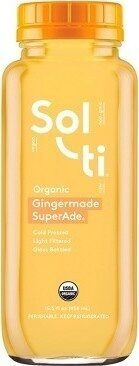 JuiceDelivery L.L.C. (Solti)
Gingermade Organic Superade, Gingermade
17kcal
0.2Protein
0Fat
4.4Carbs
JuiceDelivery L.L.C. (Solti)
Gingermade Organic Superade, Gingermade
17kcal
0.2Protein
0Fat
4.4Carbs
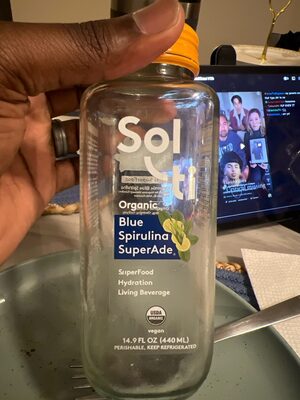 JuiceDelivery L.L.C. (Solti)
Blue Spirulina Superade
11kcal
0.5Protein
0Fat
3.0Carbs
JuiceDelivery L.L.C. (Solti)
Blue Spirulina Superade
11kcal
0.5Protein
0Fat
3.0Carbs
 JuiceDelivery L.L.C. (Solti)
Organic Master Cleanse Superade
8kcal
0Protein
0Fat
0Carbs
JuiceDelivery L.L.C. (Solti)
Organic Master Cleanse Superade
8kcal
0Protein
0Fat
0Carbs
 JuiceDelivery L.L.C. (Solti)
Dragon Fruit Organic Superade, Dragon Fruit
8kcal
0.2Protein
0Fat
1.8Carbs
JuiceDelivery L.L.C. (Solti)
Dragon Fruit Organic Superade, Dragon Fruit
8kcal
0.2Protein
0Fat
1.8Carbs
 Chlorophyll Aloe Superade
7kcal
0Protein
0Fat
1.8Carbs
Chlorophyll Aloe Superade
7kcal
0Protein
0Fat
1.8Carbs