Fruit And Vegetable Color
What is Fruit And Vegetable Color?
Fruit and vegetable color is a coloring agent made from fruits and vegetables. It is created by extracting pigments from these natural sources, often using water or other safe solvents. The resulting colorants can range in hue depending on the specific fruits or vegetables used.
Is Fruit And Vegetable Color vegan?
Fruit And Vegetable Color is not animal-derived. Products that contain it can still include other animal-derived ingredients, so check the full ingredient list.
Is Fruit And Vegetable Color gluten-free?
They are also gluten-free.
Is Fruit And Vegetable Color a major allergen?
Fruit and vegetable colors are not derived from major allergens.
What is Fruit And Vegetable Color used for?
Manufacturers use fruit and vegetable colors to add or restore color to food products, making them more visually appealing.
Is Fruit And Vegetable Color safe?
Fruit and vegetable colors are generally recognized as safe (GRAS) by the FDA for use in food.
Why it's used
Manufacturers use fruit and vegetable colors to add or restore color to food products, making them more visually appealing. They are commonly found in dairy products like ice cream and yogurt, as well as in beverages and confectionery.
Health notes
Fruit and vegetable colors are generally recognized as safe (GRAS) by the FDA for use in food. These natural colorants have not been associated with adverse health effects when consumed at typical levels. International bodies like JECFA and EFSA have evaluated various natural colorings, and they are widely permitted for food use.
Allergen info
Fruit and vegetable colors are not derived from major allergens. They are also gluten-free.
Foods that contain Fruit And Vegetable Color
Compare products →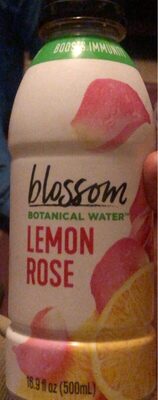



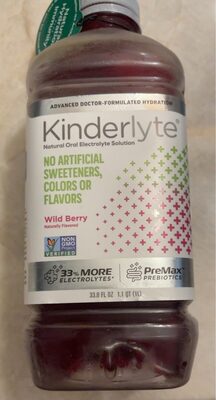
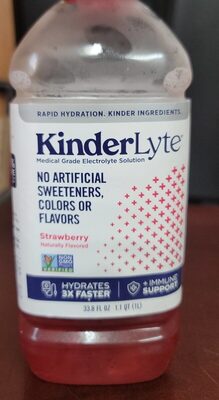


Learn more
Auto-generated content. This description was generated automatically and is pending editorial review. Inaccuracies are possible. Found a mistake? Contact us.