Fruit Puree
Auto-generated content. This description was generated automatically and is pending editorial review. Inaccuracies are possible. Found a mistake? Contact us.
What it is
Fruit puree is a processed food product made from whole fruit. It is created by crushing, blending, or sieving fruit, often after removing seeds and skins, to produce a smooth, thick liquid or paste. This process retains much of the fruit's natural flavor, color, and nutrients.
Why it's used
Manufacturers add fruit puree to products primarily for its natural flavor, sweetness, and color. It also contributes to the texture and moisture content of foods. It is commonly used in yogurts, smoothies, baby foods, jams, sauces, and baked goods.
Health notes
Fruit puree is generally recognized as safe (GRAS) by the FDA as a whole food ingredient when made from edible fruits. It provides vitamins, minerals, and dietary fiber, similar to whole fruit, although processing can slightly alter nutrient levels. While generally beneficial, consuming large quantities of pureed fruit can lead to a higher intake of natural sugars compared to eating whole fruit, as the fiber structure is altered. As a whole food ingredient, fruit puree is not typically subject to the same additive evaluations by bodies like JECFA or EFSA.
Allergen info
Fruit puree itself is not considered one of the 9 major allergens. However, individuals can be allergic to specific fruits used in the puree.
Products containing Fruit Puree
Compare products →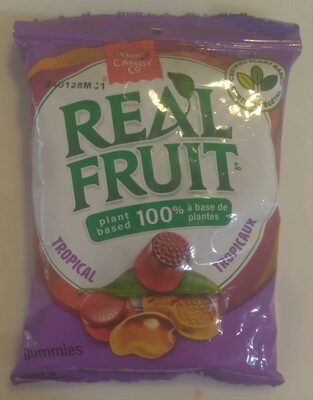 DARE CANDY CO
Gummies
359kcal
5.1Protein
0Fat
82.0Carbs
Noosa Yoghurt, LLC
Finest Yoghurt
124kcal
5.3Protein
5.3Fat
15.0Carbs
Noosa Yoghurt, LLC
Finest Yoghurt
124kcal
5.3Protein
5.3Fat
15.0Carbs
NOSA
Strawberry Finest Yoghurt, Strawberry
126kcal
5.5Protein
4.7Fat
16.5Carbs
POSEIDON
Atlantic Salmon Fillets In Mango Chutney, Mango
High in sodium — 20% DV per serving
High in cholesterol — 20% DV per serving
170kcal
12.3Protein
9.4Fat
10.4Carbs
The Hershey Company
Fruit & Protein Squeeze, Triple Berry
84kcal
5.0Protein
0Fat
16.8Carbs
Noosa Yoghurt, LLC
Lemon Tart Finest Yoghurt & Crunchies, Lemon Tart
High in saturated fat — 30% DV per serving
171kcal
4.9Protein
7.3Fat
20.7Carbs
Crunch Pak Holding Company, LLC
Cheddar Cheese Fruit Chews Sweet Apple Slices Medley Snack, Cheddar, Sweet
181kcal
5.3Protein
4.8Fat
30.9Carbs
Bay Valley Foods, LLC
Afternoon Snack Blend
467kcal
10Protein
30Fat
53.3Carbs
Shrewd Food LLC
Vanilla Cookie
424kcal
6.1Protein
12.1Fat
75.8Carbs
Associated Wholesale Grocers, Inc.
Neapolitan Ice Cream, Vanilla, Strawberry
High in saturated fat — 20% DV per serving
182kcal
3.0Protein
9.1Fat
22.7Carbs
Patriot Aluminum Products LLC
Jam, Raspberry Mango
233kcal
—Protein
—Fat
60Carbs
DARE CANDY CO
Gummies
359kcal
5.1Protein
0Fat
82.0Carbs
Noosa Yoghurt, LLC
Finest Yoghurt
124kcal
5.3Protein
5.3Fat
15.0Carbs
Noosa Yoghurt, LLC
Finest Yoghurt
124kcal
5.3Protein
5.3Fat
15.0Carbs
NOSA
Strawberry Finest Yoghurt, Strawberry
126kcal
5.5Protein
4.7Fat
16.5Carbs
POSEIDON
Atlantic Salmon Fillets In Mango Chutney, Mango
High in sodium — 20% DV per serving
High in cholesterol — 20% DV per serving
170kcal
12.3Protein
9.4Fat
10.4Carbs
The Hershey Company
Fruit & Protein Squeeze, Triple Berry
84kcal
5.0Protein
0Fat
16.8Carbs
Noosa Yoghurt, LLC
Lemon Tart Finest Yoghurt & Crunchies, Lemon Tart
High in saturated fat — 30% DV per serving
171kcal
4.9Protein
7.3Fat
20.7Carbs
Crunch Pak Holding Company, LLC
Cheddar Cheese Fruit Chews Sweet Apple Slices Medley Snack, Cheddar, Sweet
181kcal
5.3Protein
4.8Fat
30.9Carbs
Bay Valley Foods, LLC
Afternoon Snack Blend
467kcal
10Protein
30Fat
53.3Carbs
Shrewd Food LLC
Vanilla Cookie
424kcal
6.1Protein
12.1Fat
75.8Carbs
Associated Wholesale Grocers, Inc.
Neapolitan Ice Cream, Vanilla, Strawberry
High in saturated fat — 20% DV per serving
182kcal
3.0Protein
9.1Fat
22.7Carbs
Patriot Aluminum Products LLC
Jam, Raspberry Mango
233kcal
—Protein
—Fat
60Carbs