Garlic Emulsion
What is Garlic Emulsion?
Garlic emulsion is a liquid preparation made from garlic. It is typically produced by processing garlic with oil and water, often with the addition of emulsifiers, to create a stable, uniform mixture. This process helps to distribute the garlic flavor and aroma evenly throughout a food product.
Is Garlic Emulsion gluten-free?
It does not contain gluten.
Is Garlic Emulsion a major allergen?
Garlic is not one of the nine major allergens recognized by the FDA.
What is Garlic Emulsion used for?
Garlic emulsion is used as a flavoring agent to impart a garlic taste and aroma to foods.
Is Garlic Emulsion safe?
Garlic emulsion is generally recognized as safe (GRAS) by the FDA for use in food.
Why it's used
Garlic emulsion is used as a flavoring agent to impart a garlic taste and aroma to foods. It functions as an emulsifier, helping to blend oil and water-based ingredients. It is commonly found in processed meats like sausages and ribs, as well as in seasoning mixes, salts, marinades, and prepared meals.
Health notes
Garlic emulsion is generally recognized as safe (GRAS) by the FDA for use in food. It is a source of flavor compounds found naturally in garlic. Regulatory bodies like JECFA have evaluated garlic and its extracts, but specific evaluations for 'garlic emulsion' as a distinct additive are not widely published. There are no widespread controversies or significant health concerns associated with its typical use in food.
Allergen info
Garlic is not one of the nine major allergens recognized by the FDA. It does not contain gluten.
Foods that contain Garlic Emulsion
Compare products →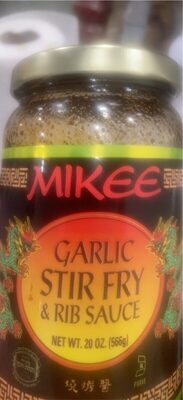
Learn more
Auto-generated content. This description was generated automatically and is pending editorial review. Inaccuracies are possible. Found a mistake? Contact us.