Gentian
What is Gentian?
Gentian is a bitter herb derived from the roots of plants in the Gentiana genus. These plants are native to Europe, Asia, and the Americas. The roots are typically dried and then used to extract their bitter compounds.
Is Gentian vegan?
Gentian is not animal-derived. Products that contain it can still include other animal-derived ingredients, so check the full ingredient list.
Is Gentian a major allergen?
Not a major allergen.
What is Gentian used for?
Gentian extract is primarily used as a flavoring agent, especially in alcoholic beverages like bitters and aperitifs, to impart a characteristic bitter taste.
Is Gentian safe?
In the U.S., gentian root is generally recognized as safe (GRAS) by the FDA when used as a flavoring.
Why it's used
Gentian extract is primarily used as a flavoring agent, especially in alcoholic beverages like bitters and aperitifs, to impart a characteristic bitter taste. It can also be found in some sodas and confectioneries, such as chocolate, to add complexity to the flavor profile.
Health notes
In the U.S., gentian root is generally recognized as safe (GRAS) by the FDA when used as a flavoring. It is not typically consumed in large enough quantities to cause adverse effects. International bodies like JECFA have evaluated gentian and established specifications for its use, but they did not set a numeric acceptable daily intake. Some traditional uses suggest digestive benefits, but robust scientific evidence for these claims is limited.
Allergen info
Not a major allergen.
Foods that contain Gentian
Compare products →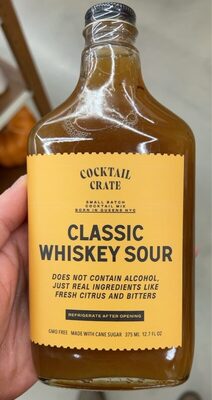

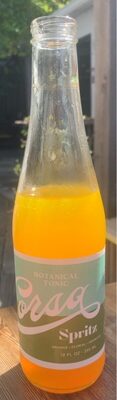
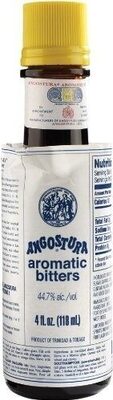
Learn more
Auto-generated content. This description was generated automatically and is pending editorial review. Inaccuracies are possible. Found a mistake? Contact us.