Gin
Auto-generated content. This description was generated automatically and is pending editorial review. Inaccuracies are possible. Found a mistake? Contact us.
What it is
Gin is a distilled alcoholic beverage made from a base of neutral grain spirits. Its distinctive flavor comes from juniper berries, which must be the predominant botanical. Other botanicals like coriander, citrus peel, and angelica root are often added.
Why it's used
Gin is primarily used as a flavoring agent in food products, imparting a distinct botanical and slightly bitter taste. It is most commonly found in pickled products like olives and peppers, as well as in baked goods such as pastries and muffins, and in jams and fruit spreads.
Health notes
Gin is an alcoholic beverage and its consumption carries the risks associated with alcohol intake, including potential for addiction and organ damage with excessive use. The U.S. Food and Drug Administration (FDA) regulates alcoholic beverages. International bodies like the Joint FAO/WHO Expert Committee on Food Additives (JECFA) and the European Food Safety Authority (EFSA) have evaluated alcoholic beverages, but do not set specific ADIs for them. Evidence on moderate alcohol consumption is mixed, with some studies suggesting potential cardiovascular benefits while others highlight increased risks for certain cancers.
Allergen info
Gin is typically made from grain spirits, which may include wheat or barley. Therefore, it may contain gluten. It is not derived from the other major allergens.
Products containing Gin
Compare products →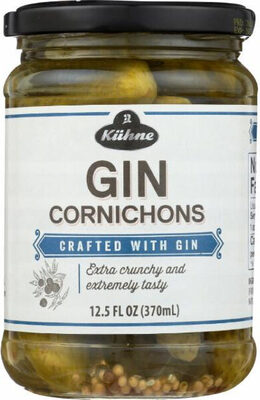 Carl Kuhne Kg
Cornichons Gin
36kcal
0Protein
0Fat
7.1Carbs
Carl Kuhne Kg
Cornichons Gin
36kcal
0Protein
0Fat
7.1Carbs
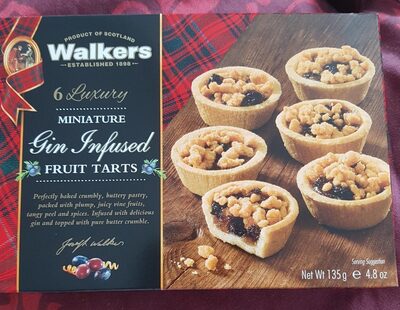 Walkers Shortbread Ltd.
Gin Infused Miniature Fruit Tarts, Gin
444kcal
4.4Protein
17.8Fat
75.6Carbs
Necessary Art Co.
Desert Blueberry Gin Deliciousness, Desert Blueberry Gin
233kcal
—Protein
0Fat
60Carbs
GS1 Mexico
Gin Infused Panettone Traditional Italian Cake, Gin Infused
High in saturated fat — 35% DV per serving
373kcal
3.6Protein
14.5Fat
53.0Carbs
Dr. Harold Katz LLC
Sable & Rosenfeld, Tipsy Lemon Olives
133kcal
0Protein
6.7Fat
13.3Carbs
Walkers Shortbread Ltd.
Gin Infused Miniature Fruit Tarts, Gin
444kcal
4.4Protein
17.8Fat
75.6Carbs
Necessary Art Co.
Desert Blueberry Gin Deliciousness, Desert Blueberry Gin
233kcal
—Protein
0Fat
60Carbs
GS1 Mexico
Gin Infused Panettone Traditional Italian Cake, Gin Infused
High in saturated fat — 35% DV per serving
373kcal
3.6Protein
14.5Fat
53.0Carbs
Dr. Harold Katz LLC
Sable & Rosenfeld, Tipsy Lemon Olives
133kcal
0Protein
6.7Fat
13.3Carbs