Gold Potatoes
What is Gold Potatoes?
Gold potatoes are a variety of potato known for their smooth, thin, golden skin and buttery yellow, waxy flesh. They are a root vegetable that grows underground. Potatoes are typically harvested and then washed and sorted before being packaged for sale.
Is Gold Potatoes vegan?
Gold Potatoes is not animal-derived. Products that contain it can still include other animal-derived ingredients, so check the full ingredient list.
Is Gold Potatoes gluten-free?
They do not contain gluten.
Is Gold Potatoes a major allergen?
Potatoes are not one of the 9 FDA major allergens.
What is Gold Potatoes used for?
Gold potatoes are often used whole or cut in dishes like roasted potatoes, mashed potatoes, or potato salads.
Is Gold Potatoes safe?
Potatoes are a good source of potassium and vitamin C.
Why it's used
Gold potatoes are often used whole or cut in dishes like roasted potatoes, mashed potatoes, or potato salads. Their waxy texture holds its shape well when cooked, making them suitable for boiling and frying. They are commonly found in fresh produce sections and used in frozen appetizers and savory baked goods.
Health notes
Potatoes are a good source of potassium and vitamin C. They are not subject to FDA additive regulations as they are a whole food. The World Health Organization (WHO) has not specifically evaluated potatoes as a food ingredient. Evidence suggests that potatoes, as part of a balanced diet, can contribute to overall health.
Allergen info
Potatoes are not one of the 9 FDA major allergens. They do not contain gluten.
Foods that contain Gold Potatoes
Compare products →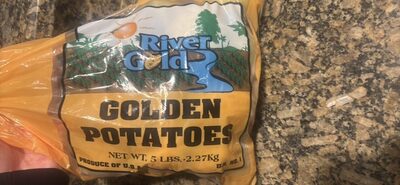


Auto-generated content. This description was generated automatically and is pending editorial review. Inaccuracies are possible. Found a mistake? Contact us.