Gourd
Auto-generated content. This description was generated automatically and is pending editorial review. Inaccuracies are possible. Found a mistake? Contact us.
What it is
Gourd refers to a diverse group of trailing or climbing vines in the family Cucurbitaceae, which also includes pumpkins, squash, and cucumbers. These plants produce fruits that can vary widely in shape, size, and color. Gourds are cultivated globally for ornamental purposes, as well as for their edible fruits and seeds.
Why it's used
In packaged foods, gourds are most frequently found in meal replacement supplements, likely for their nutritional content. They can contribute fiber, vitamins, and minerals to the product. Some varieties may also be used for their subtle flavor or texture.
Health notes
Gourds are generally recognized as safe (GRAS) by the FDA when used as food. They are a source of nutrients like fiber, vitamins, and minerals. The World Health Organization (WHO) and the European Food Safety Authority (EFSA) have not specifically evaluated gourds as a food additive, as they are considered a whole food. Evidence does not suggest adverse health effects from consuming gourds in typical dietary amounts.
Allergen info
Gourds are not one of the nine major allergens recognized by the FDA. They do not contain gluten.
Products containing Gourd
Compare products →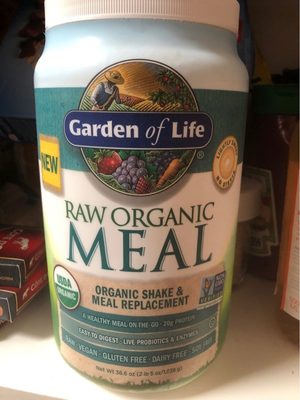 Garden of Life, Inc.
Raw Organic Shake & Meal Replacement Powder, Lightly Sweet No Stevia, Lightly Sweet No Stevia
378kcal
54.0Protein
5.4Fat
37.8Carbs
Garden of Life, Inc.
Raw Organic Shake & Meal Replacement Powder, Lightly Sweet No Stevia, Lightly Sweet No Stevia
378kcal
54.0Protein
5.4Fat
37.8Carbs
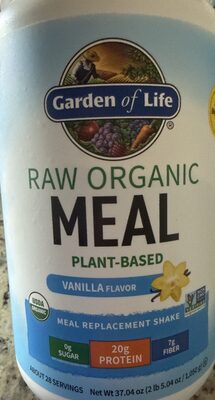 Garden of Life, Inc.
Raw Organic Plant-Based Protein 20 G Meal Replacement Shake, Vanilla, Vanilla
400kcal
53.3Protein
5.3Fat
34.7Carbs
Garden of Life, Inc.
Raw Organic Plant-Based Protein 20 G Meal Replacement Shake, Vanilla, Vanilla
400kcal
53.3Protein
5.3Fat
34.7Carbs
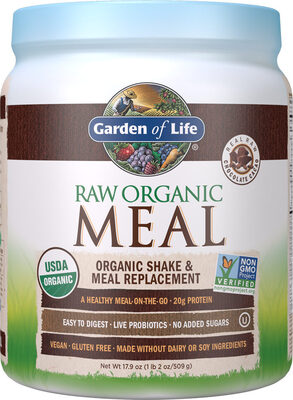 Garden of Life, Inc.
Raw Organic Meal Protein 20 G Powder, Chocolate Cacao, Chocolate Cacao
333kcal
55.6Protein
5.6Fat
22.2Carbs
Garden of Life, Inc.
Raw Organic Meal Protein 20 G Powder, Chocolate Cacao, Chocolate Cacao
333kcal
55.6Protein
5.6Fat
22.2Carbs
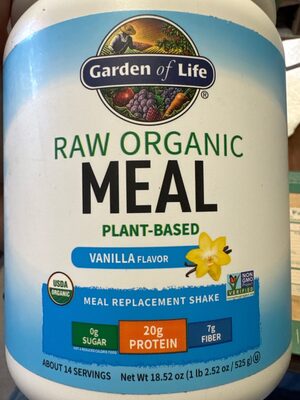 Garden of Life, Inc.
Raw Organic Meal Protein 20 G Powder, Vanilla, Vanilla
329kcal
57.1Protein
4.3Fat
22.9Carbs
Garden of Life, Inc.
Raw Organic Meal Protein 20 G Powder, Vanilla, Vanilla
329kcal
57.1Protein
4.3Fat
22.9Carbs
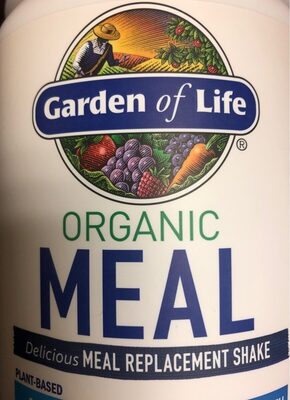 Garden of Life, Inc.
Organic Delicious Meal Replacement Shake, Vanilla
333kcal
58.0Protein
4.3Fat
26.1Carbs
Garden of Life, Inc.
Organic Delicious Meal Replacement Shake, Vanilla
333kcal
58.0Protein
4.3Fat
26.1Carbs
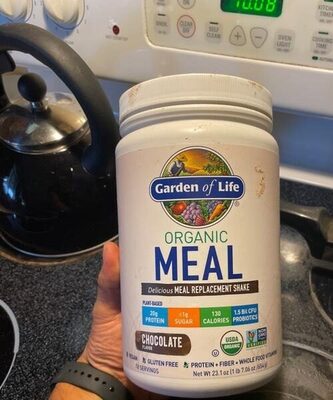 Garden of Life, Inc.
Organic Delicious Meal Replacement Shake
329kcal
54.8Protein
5.5Fat
21.9Carbs
Garden of Life, Inc.
Raw Organic Shake & Meal Replacement Powder, Chocolate Cacao, Chocolate Cacao
361kcal
55.6Protein
6.9Fat
36.1Carbs
Garden of Life, Inc.
Organic Delicious Meal Replacement Shake
329kcal
54.8Protein
5.5Fat
21.9Carbs
Garden of Life, Inc.
Raw Organic Shake & Meal Replacement Powder, Chocolate Cacao, Chocolate Cacao
361kcal
55.6Protein
6.9Fat
36.1Carbs
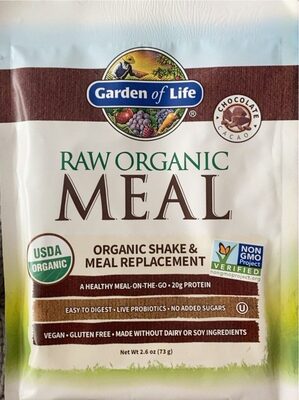 Garden of Life, Inc.
Raw Organic Plant-Based Protein 20 G Meal Replacement Shake Powder, Chocolate, Chocolate
390kcal
52.0Protein
6.5Fat
31.2Carbs
Garden of Life, Inc.
Raw Organic Plant-Based Protein 20 G Meal Replacement Shake Powder, Chocolate, Chocolate
390kcal
52.0Protein
6.5Fat
31.2Carbs
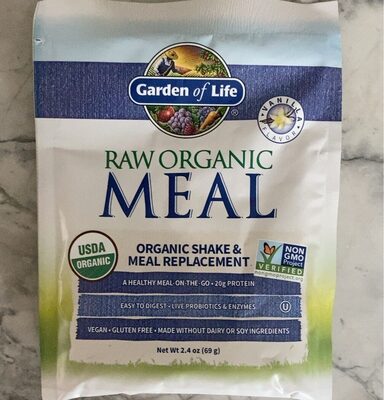 Garden of Life, Inc.
Raw Organic Plant-Based Protein 20 G Meal Replacement Shake Powder, Vanilla, Vanilla
400kcal
53.3Protein
5.3Fat
34.7Carbs
Garden of Life, Inc.
Raw Organic Plant-Based Protein 20 G Meal Replacement Shake Powder, Vanilla, Vanilla
400kcal
53.3Protein
5.3Fat
34.7Carbs