Grape Color Extract
Auto-generated content. This description was generated automatically and is pending editorial review. Inaccuracies are possible. Found a mistake? Contact us.
What it is
Grape Color Extract is a natural food coloring derived from the skins of dark-colored grapes, such as Concord or Vitis labrusca varieties. The coloring compounds, called anthocyanins, are extracted using water or alcohol and then purified. The resulting liquid or powder provides a reddish-purple to blue-purple hue.
Why it's used
Manufacturers use Grape Color Extract to add or enhance the purple and red colors in various food products. It is commonly found in candies, beverages, baked goods like cakes and cookies, and dairy products. Its natural origin makes it a popular choice for products marketed as having natural ingredients.
Health notes
Grape Color Extract is generally recognized as safe (GRAS) by the FDA for use as a food coloring. Anthocyanins, the compounds responsible for the color, are also found in many fruits and vegetables and are studied for their antioxidant properties. Regulatory bodies like EFSA have evaluated anthocyanins, and JECFA has evaluated grape skin extract, but they have not set specific numerical limits. Evidence on health benefits is ongoing, and no significant adverse effects are expected at typical consumption levels.
Allergen info
Grape Color Extract is not derived from any of the 9 FDA major allergens. It does not contain gluten.
Products containing Grape Color Extract
Compare products →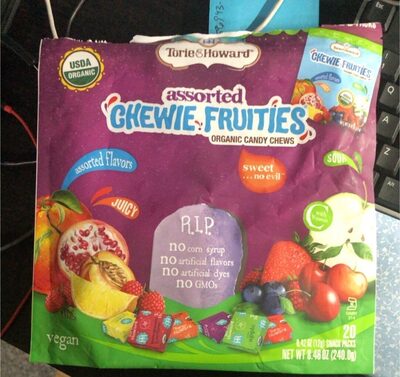 Torie & Howard Inc.
Assorted Chewie Fruities Organic Candy Chews, Assorted
417kcal
0Protein
8.3Fat
91.7Carbs
Stockmeyer Export Gmbh
Gingerbread 3 Giant Man Kits, Gingerbread
High in added sugars — 34% DV per serving
375kcal
6.2Protein
1.6Fat
84.4Carbs
Torie & Howard Inc.
Assorted Chewie Fruities Organic Candy Chews, Assorted
417kcal
0Protein
8.3Fat
91.7Carbs
Stockmeyer Export Gmbh
Gingerbread 3 Giant Man Kits, Gingerbread
High in added sugars — 34% DV per serving
375kcal
6.2Protein
1.6Fat
84.4Carbs
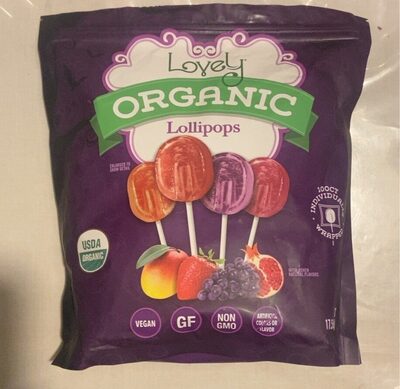 The Lovely Candy Company, LLC
Strawberry, Pomegranate, Mango, Grape Organic Lollipops, Strawberry, Pomegranate, Mango, Grape
High in added sugars — 20% DV per serving
400kcal
0Protein
0Fat
93.3Carbs
Rouse's Enterprises, Inc.
Mixed Berry Mini Pies, Mixed Berry
—kcal
6.7Protein
20Fat
56.7Carbs
Beep For Free Wireless
Organic Lollipops, Strawberry; Pomegranate; Mango; Grape
High in added sugars — 20% DV per serving
400kcal
0Protein
0Fat
93.3Carbs
American Licorice Company
Assorted Organic Candy Chews
417kcal
0Protein
8.3Fat
91.7Carbs
American Licorice Company
Organic Assorted Chewie Fruities Candy Chews, Sour Berry, Blood Orange & Honey, Meyer Lemon & Raspberry, Sour Apple, Pomegranate & Nectarine, Sour Cherry
417kcal
0Protein
8.3Fat
91.7Carbs
The Lovely Candy Company, LLC
Strawberry, Pomegranate, Mango, Grape Organic Lollipops, Strawberry, Pomegranate, Mango, Grape
High in added sugars — 20% DV per serving
400kcal
0Protein
0Fat
93.3Carbs
Rouse's Enterprises, Inc.
Mixed Berry Mini Pies, Mixed Berry
—kcal
6.7Protein
20Fat
56.7Carbs
Beep For Free Wireless
Organic Lollipops, Strawberry; Pomegranate; Mango; Grape
High in added sugars — 20% DV per serving
400kcal
0Protein
0Fat
93.3Carbs
American Licorice Company
Assorted Organic Candy Chews
417kcal
0Protein
8.3Fat
91.7Carbs
American Licorice Company
Organic Assorted Chewie Fruities Candy Chews, Sour Berry, Blood Orange & Honey, Meyer Lemon & Raspberry, Sour Apple, Pomegranate & Nectarine, Sour Cherry
417kcal
0Protein
8.3Fat
91.7Carbs