Grated Horseradish
What is Grated Horseradish?
Grated horseradish is a root vegetable (Armoracia rusticana) known for its pungent, spicy flavor. The root is typically grated or ground, often mixed with vinegar, salt, and sometimes sugar or other spices, to create a condiment.
Is Grated Horseradish vegan?
Grated Horseradish is not animal-derived. Products that contain it can still include other animal-derived ingredients, so check the full ingredient list.
Is Grated Horseradish gluten-free?
It does not contain gluten.
Is Grated Horseradish a major allergen?
Horseradish is not one of the 9 FDA major allergens.
What is Grated Horseradish used for?
Manufacturers add grated horseradish primarily as a flavoring agent to provide a sharp, spicy taste.
Is Grated Horseradish safe?
Horseradish is generally recognized as safe (GRAS) by the FDA when used as a food ingredient.
Why it's used
Manufacturers add grated horseradish primarily as a flavoring agent to provide a sharp, spicy taste. It is commonly found in condiments like prepared horseradish, cocktail sauce, and as an ingredient in mustards and salad dressings.
Health notes
Horseradish is generally recognized as safe (GRAS) by the FDA when used as a food ingredient. It is a source of certain nutrients like vitamin C. Regulatory bodies like EFSA have evaluated horseradish and its compounds. While generally considered safe in food amounts, high concentrations of compounds found in horseradish can be irritating.
Allergen info
Horseradish is not one of the 9 FDA major allergens. It does not contain gluten.
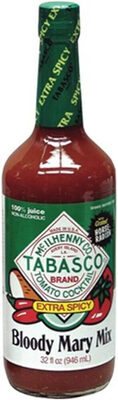
Foods that contain Grated Horseradish
Compare products →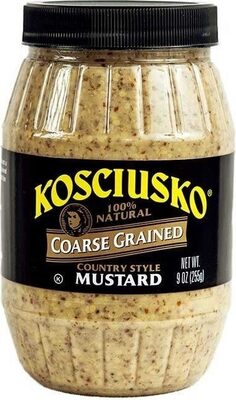
Learn more
Auto-generated content. This description was generated automatically and is pending editorial review. Inaccuracies are possible. Found a mistake? Contact us.