Green Tea Powder
Auto-generated content. This description was generated automatically and is pending editorial review. Inaccuracies are possible. Found a mistake? Contact us.
What it is
Green tea powder is made from finely ground dried leaves of the Camellia sinensis plant. It is typically produced by steaming or pan-frying the leaves to stop oxidation, then drying and grinding them into a fine powder. This process preserves the plant's natural compounds.
Why it's used
Green tea powder is primarily used to impart a distinct, slightly bitter, and vegetal flavor to foods and beverages. It is also valued for its vibrant green color. Common applications include powdered drink mixes, baked goods like cookies and biscuits, and savory seasonings for rice and other dishes.
Health notes
Green tea powder is generally recognized as safe (GRAS) by the FDA for use as a flavoring agent. It contains antioxidants, such as catechins, which have been studied for potential health benefits. Regulatory bodies like EFSA have evaluated green tea extracts, noting their antioxidant properties. Research on the health effects of green tea consumption is ongoing, with some studies suggesting benefits for cardiovascular health and metabolism, while others show mixed results.
Allergen info
Green tea powder is not derived from any of the nine FDA major allergens and does not contain gluten.
Products containing Green Tea Powder
Compare products →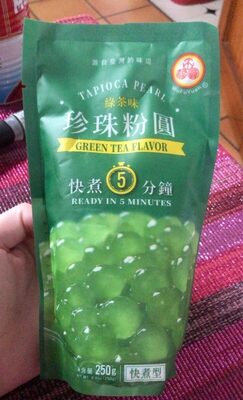 WUFUYUAN
Wufuyuan, Tapioca Pearl, Green Tea
210kcal
0Protein
0Fat
50Carbs
WUFUYUAN
Wufuyuan, Tapioca Pearl, Green Tea
210kcal
0Protein
0Fat
50Carbs
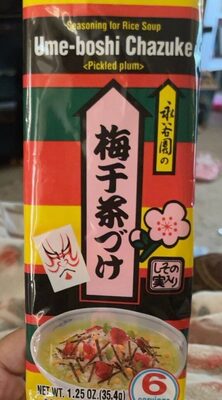 NAGATANIEN
Nagatanien, Ume-Boshi Chazuke Seasoning For Rice Soup
182kcal
18.2Protein
0Fat
36.4Carbs
NAGATANIEN
Nagatanien, Ume-Boshi Chazuke Seasoning For Rice Soup
182kcal
18.2Protein
0Fat
36.4Carbs
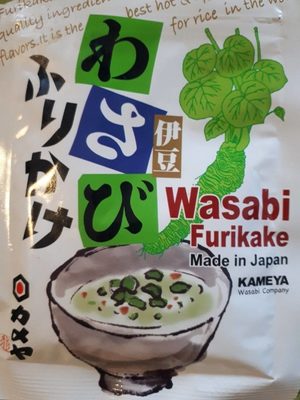 SEOUL TRADING
Seoul Trading, Instant Seasoning, Wasabi Furikake
400kcal
20Protein
10Fat
40Carbs
SANRIO CO., LTD
Sanrio, Hello Kitty, Instant Seasoning, Egg Furikake
400kcal
0Protein
20Fat
40Carbs
HELLO KITTY
Hello Kitty, Instant Seasoning, Vegetable Furikake
400kcal
0Protein
20Fat
40Carbs
JFC INTERNATIONAL
Bean Jelly
281kcal
3.5Protein
0Fat
68.4Carbs
GLICO
Japanese Cookies
522kcal
8.7Protein
26.1Fat
60.9Carbs
EZAKI GLICO
Ezaki Glico, Pocky, Matcha Green Tea
524kcal
9.5Protein
23.8Fat
66.7Carbs
GLICO
Glico, Japanese Cookies
565kcal
4.3Protein
34.8Fat
56.5Carbs
SEOUL TRADING
Seoul Trading, Instant Seasoning, Wasabi Furikake
400kcal
20Protein
10Fat
40Carbs
SANRIO CO., LTD
Sanrio, Hello Kitty, Instant Seasoning, Egg Furikake
400kcal
0Protein
20Fat
40Carbs
HELLO KITTY
Hello Kitty, Instant Seasoning, Vegetable Furikake
400kcal
0Protein
20Fat
40Carbs
JFC INTERNATIONAL
Bean Jelly
281kcal
3.5Protein
0Fat
68.4Carbs
GLICO
Japanese Cookies
522kcal
8.7Protein
26.1Fat
60.9Carbs
EZAKI GLICO
Ezaki Glico, Pocky, Matcha Green Tea
524kcal
9.5Protein
23.8Fat
66.7Carbs
GLICO
Glico, Japanese Cookies
565kcal
4.3Protein
34.8Fat
56.5Carbs
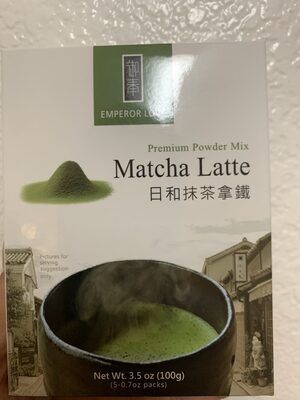 EMPEROR LOVE
Matcha Latte
High in added sugars — 24% DV per serving
450kcal
0Protein
12.5Fat
85Carbs
SLIM
Biscuits
528kcal
4.6Protein
27.7Fat
64.6Carbs
EMPEROR LOVE
Matcha Latte
High in added sugars — 24% DV per serving
450kcal
0Protein
12.5Fat
85Carbs
SLIM
Biscuits
528kcal
4.6Protein
27.7Fat
64.6Carbs
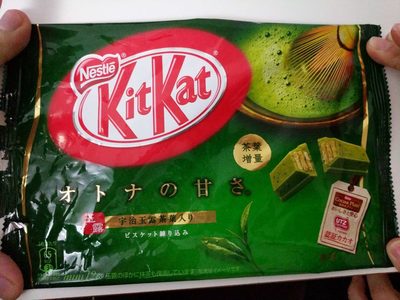 NESTLE
Nestle, Kit Kat, Chocolate, Maccha, Maccha
584kcal
0Protein
35.4Fat
62.0Carbs
NESTLE
Nestle, Kit Kat, Chocolate, Maccha, Maccha
584kcal
0Protein
35.4Fat
62.0Carbs