Ground Dill
What is Ground Dill?
Ground dill is made from the dried seeds and leaves of the dill plant (Anethum graveolens). The dill plant is native to the Mediterranean and Western Asia but is now grown worldwide. The seeds and leaves are harvested, dried, and then ground into a powder.
Is Ground Dill vegan?
Ground Dill is not animal-derived. Products that contain it can still include other animal-derived ingredients, so check the full ingredient list.
Is Ground Dill gluten-free?
It does not contain gluten.
Is Ground Dill a major allergen?
Dill is not one of the nine major allergens recognized by the FDA.
What is Ground Dill used for?
Ground dill is primarily used as a flavoring agent in a wide variety of foods.
Is Ground Dill safe?
Dill is generally recognized as safe (GRAS) by the FDA when used as a food ingredient.
Why it's used
Ground dill is primarily used as a flavoring agent in a wide variety of foods. It adds a distinct, slightly pungent, and fresh taste. It is commonly found in spice blends, marinades, breads, soups, and fish dishes.
Health notes
Dill is generally recognized as safe (GRAS) by the FDA when used as a food ingredient. It is not typically associated with adverse health effects when consumed in amounts found in food. International bodies like JECFA have evaluated dill and its components, but no specific regulatory limits are usually set for such spices when used for flavoring. There are no significant controversies regarding the use of ground dill in food.
Allergen info
Dill is not one of the nine major allergens recognized by the FDA. It does not contain gluten.
Foods that contain Ground Dill
Compare products →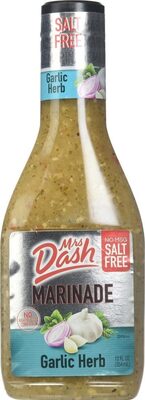
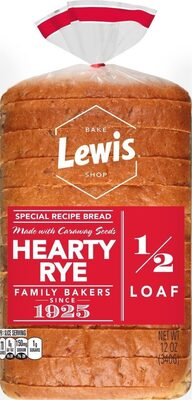
Learn more
Auto-generated content. This description was generated automatically and is pending editorial review. Inaccuracies are possible. Found a mistake? Contact us.