Guanabana Puree
What is Guanabana Puree?
Guanabana puree comes from the fruit of the guanabana tree, also known as soursop. The fruit is native to tropical regions of the Americas and the Caribbean. The pulp is typically scooped out and pureed for use in food products.
Is Guanabana Puree vegan?
Guanabana Puree is not animal-derived. Products that contain it can still include other animal-derived ingredients, so check the full ingredient list.
Is Guanabana Puree gluten-free?
It does not contain gluten.
Is Guanabana Puree a major allergen?
Guanabana puree is not derived from any of the 9 major allergens recognized by the FDA.
What is Guanabana Puree used for?
Manufacturers use guanabana puree to add a distinct tropical flavor and aroma to foods and beverages.
Is Guanabana Puree safe?
Guanabana puree is generally recognized as safe (GRAS) by the FDA for use as a food ingredient.
Why it's used
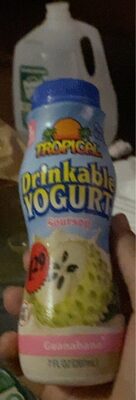
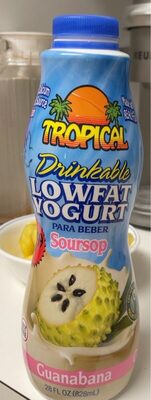
Manufacturers use guanabana puree to add a distinct tropical flavor and aroma to foods and beverages. It can also contribute to the texture and sweetness of products. It is commonly found in yogurt, ice cream, fruit juices, and nectars.
Health notes
Guanabana puree is generally recognized as safe (GRAS) by the FDA for use as a food ingredient. It is a source of vitamin C and fiber. JECFA has evaluated guanabana and did not set a numeric limit (ADI not specified). Some traditional medicine claims about guanabana exist, but these are not supported by robust scientific evidence for use as a medicine.
Allergen info
Guanabana puree is not derived from any of the 9 major allergens recognized by the FDA. It does not contain gluten.
Foods that contain Guanabana Puree
Compare products →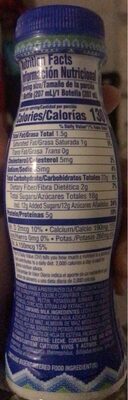
Auto-generated content. This description was generated automatically and is pending editorial review. Inaccuracies are possible. Found a mistake? Contact us.