Gum Arabic And Ester Gum
Auto-generated content. This description was generated automatically and is pending editorial review. Inaccuracies are possible. Found a mistake? Contact us.
What it is
Gum arabic, also known as acacia gum, is a natural gum made from the hardened sap of acacia trees. It is harvested from wild or cultivated acacia trees, primarily in the Sahel region of Africa. The sap is collected, dried, and then processed into a powder or granules.
Why it's used
Gum arabic is used as a stabilizer, emulsifier, and thickener in a variety of food products. It helps to prevent ingredients from separating and gives foods a smoother texture. It is commonly found in beverages like soda and cocktail mixes, as well as in confectionery, baked goods, and dairy products.
Health notes
Gum arabic is generally recognized as safe (GRAS) by the FDA for use in food. It is a soluble fiber that may act as a prebiotic, feeding beneficial bacteria in the gut. JECFA and EFSA have evaluated gum arabic and found it to be safe for consumption. Some individuals may experience mild digestive upset, such as gas or bloating, especially with high intake.
Allergen info
Gum arabic is not derived from any of the nine FDA major allergens. It does not contain gluten.
Products containing Gum Arabic And Ester Gum
Compare products →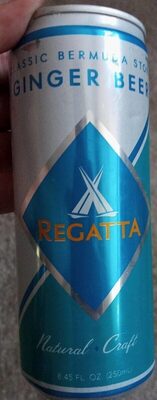 Affinity Beverages LLC
Classic Bermuda Stone Ginger Beer, Classic Bermuda Stone
High in added sugars — 60% DV per serving
48kcal
0Protein
0Fat
12Carbs
Food Town Stores Inc.
Nonalcoholic Margarita Mix
125kcal
0Protein
0Fat
30Carbs
Affinity Beverages LLC
Classic Bermuda Stone Ginger Beer, Classic Bermuda Stone
High in added sugars — 60% DV per serving
48kcal
0Protein
0Fat
12Carbs
Food Town Stores Inc.
Nonalcoholic Margarita Mix
125kcal
0Protein
0Fat
30Carbs