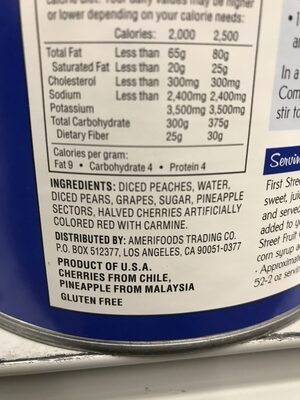
Halved Cherries Artificially Colored Red With Carmine
What is Halved Cherries Artificially Colored Red With Carmine?
Carmine is a vibrant red pigment derived from cochineal insects, which are native to South America. The insects are dried, crushed, and then extracted to produce the colorant. It is often used to give foods a bright, stable red hue.
Is Halved Cherries Artificially Colored Red With Carmine vegan?
No. Halved Cherries Artificially Colored Red With Carmine is animal-derived, so it is not vegan.
Is Halved Cherries Artificially Colored Red With Carmine gluten-free?
It does not contain gluten.
Is Halved Cherries Artificially Colored Red With Carmine a major allergen?
Carmine is not derived from any of the nine FDA major allergens.
What is Halved Cherries Artificially Colored Red With Carmine used for?
Carmine is used as a food coloring to impart a red color to a variety of products.
Is Halved Cherries Artificially Colored Red With Carmine safe?
In the U.S., carmine is approved by the FDA as a color additive.
Why it's used
Carmine is used as a food coloring to impart a red color to a variety of products. It is frequently found in processed fruits, beverages, baked goods, and confectionery items.
Health notes
In the U.S., carmine is approved by the FDA as a color additive. Some studies have suggested a possible link between carmine consumption and hyperactivity in children, though the evidence is not conclusive. Regulatory bodies like the European Food Safety Authority (EFSA) have also evaluated carmine, and it is permitted for use in the EU.
Allergen info
Carmine is not derived from any of the nine FDA major allergens. It does not contain gluten.
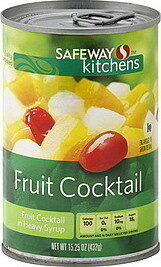
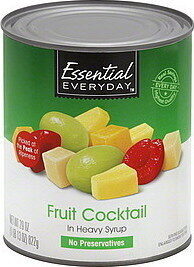
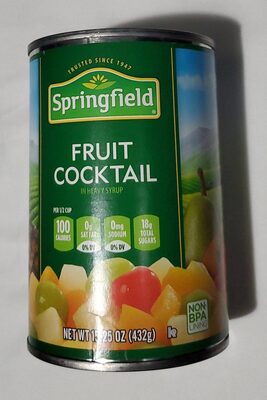
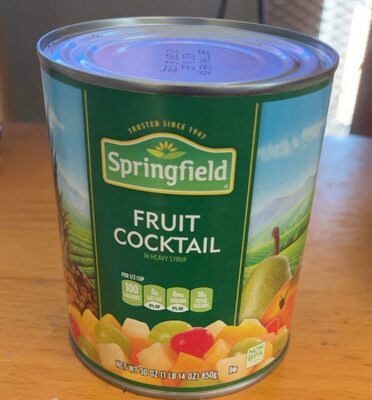
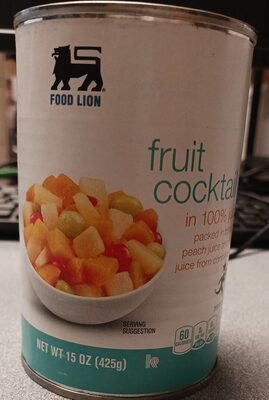
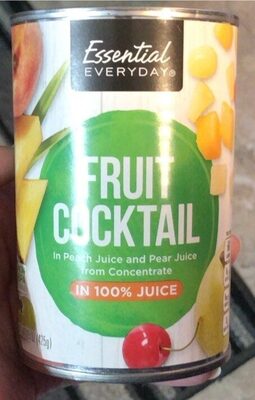
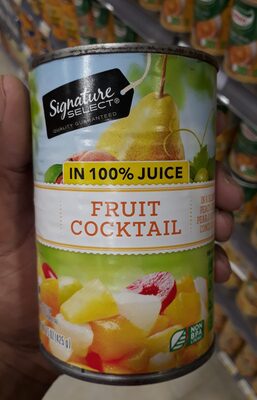
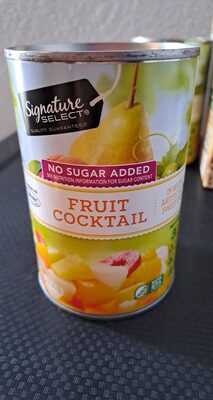
Foods that contain Halved Cherries Artificially Colored Red With Carmine
Compare products →










Learn more
Auto-generated content. This description was generated automatically and is pending editorial review. Inaccuracies are possible. Found a mistake? Contact us.