Hibiscus Flower Extract
Auto-generated content. This description was generated automatically and is pending editorial review. Inaccuracies are possible. Found a mistake? Contact us.
What it is
Hibiscus flower extract comes from the dried petals of the hibiscus plant, a flower native to tropical regions. The extract is typically made by steeping the petals in water or alcohol to draw out their compounds. It is known for its vibrant red color and tart, fruity flavor.
Why it's used
Manufacturers use hibiscus extract for its natural deep red color and its tangy, cranberry-like flavor. It is commonly added to beverages like fruit juices, teas, and flavored waters to enhance their visual appeal and taste. It can also be found in some jams, jellies, and desserts.
Health notes
In the U.S., hibiscus extract is generally recognized as safe (GRAS) for use in food. Some studies suggest hibiscus may have a positive effect on blood pressure, though more research is needed. The Joint FAO/WHO Expert Committee on Food Additives (JECFA) has evaluated hibiscus and established specifications for its use. Evidence on other health effects is still developing.
Allergen info
Hibiscus flower extract is not derived from any of the nine FDA major allergens. It does not contain gluten.
Products containing Hibiscus Flower Extract
Compare products →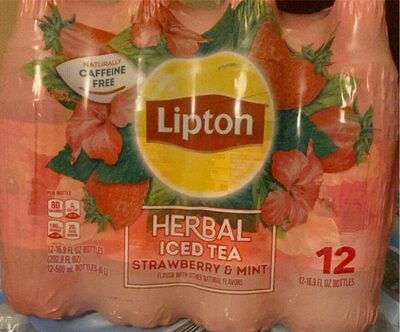 Pepsi-Cola North America Inc.
Strawberry & Mint Herbal Iced Tea, Strawberry & Mint
High in added sugars — 40% DV per serving
16kcal
0Protein
0Fat
4.2Carbs
Pepsi-Cola North America Inc.
Strawberry & Mint Herbal Iced Tea, Strawberry & Mint
High in added sugars — 40% DV per serving
16kcal
0Protein
0Fat
4.2Carbs
Andros S.A.
Cherry, Redcurrant And Hibiscus French Fruit Treat, Cherry; Redcurrant; Hibiscus
92kcal
0.8Protein
0Fat
21.5Carbs
Pepsi-Cola North America Inc.
Strawberry & Mint Herbal Iced Tea, Strawberry & Mint
High in added sugars — 40% DV per serving
16kcal
0Protein
0Fat
4.2Carbs
Pepsi-Cola North America Inc.
Strawberry & Mint Herbal Iced Tea, Strawberry & Mint
High in added sugars — 40% DV per serving
16kcal
0Protein
0Fat
4.2Carbs
Andros S.A.
Cherry, Redcurrant And Hibiscus French Fruit Treat, Cherry; Redcurrant; Hibiscus
92kcal
0.8Protein
0Fat
21.5Carbs
 Lipton
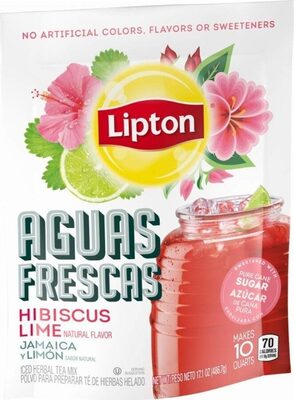
Hibiscus Lime Aguas Frescas Iced Herbal Tea Mix, Hibiscus Lime
High in added sugars — 34% DV per serving
389kcal
0Protein
0Fat
100Carbs
Lipton
Hibiscus Lime Aguas Frescas Iced Herbal Tea Mix, Hibiscus Lime
High in added sugars — 34% DV per serving
389kcal
0Protein
0Fat
100Carbs