Hibiscus Flower
What is Hibiscus Flower?
Hibiscus flower comes from a plant in the mallow family, known for its large, colorful trumpet-shaped flowers. The flowers, particularly the calyces (the outer part of the flower), are dried and used for culinary purposes. They are often brewed into a tart, cranberry-like beverage.
Is Hibiscus Flower vegan?
Hibiscus Flower is not animal-derived. Products that contain it can still include other animal-derived ingredients, so check the full ingredient list.
Is Hibiscus Flower gluten-free?
It does not contain gluten.
Is Hibiscus Flower a major allergen?
Hibiscus flower is not a major allergen in the US.
What is Hibiscus Flower used for?
Hibiscus is primarily used to impart a vibrant red color and a tart, fruity flavor to foods and beverages.
Is Hibiscus Flower safe?
In the US, hibiscus is generally recognized as safe (GRAS) for use as a food ingredient.
Why it's used
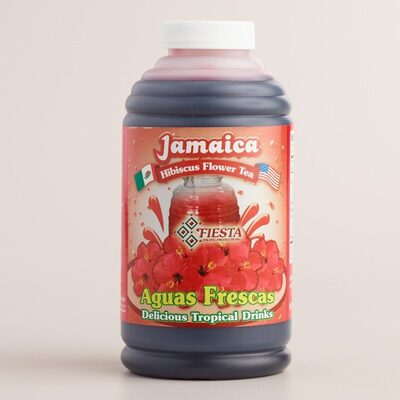
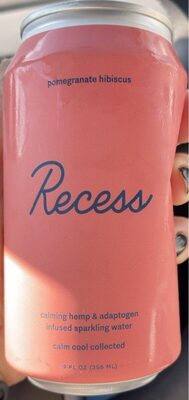
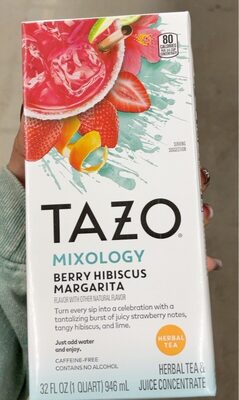
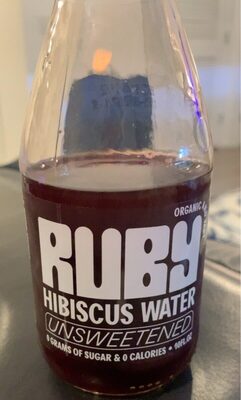
Hibiscus is primarily used to impart a vibrant red color and a tart, fruity flavor to foods and beverages. It is commonly found in herbal teas, flavored waters, fruit juices, jams, and desserts. Its natural acidity can also contribute to preservation in some products.
Health notes
In the US, hibiscus is generally recognized as safe (GRAS) for use as a food ingredient. Some studies suggest that hibiscus extract may help lower blood pressure, though more research is needed to confirm these effects. The European Food Safety Authority (EFSA) has evaluated hibiscus and found it safe for consumption. Regulatory bodies have not identified significant health concerns associated with typical dietary intake of hibiscus.
Allergen info
Hibiscus flower is not a major allergen in the US. It does not contain gluten.
Foods that contain Hibiscus Flower
Compare products →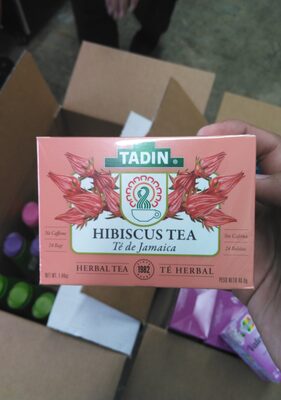
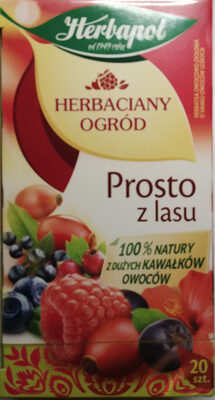
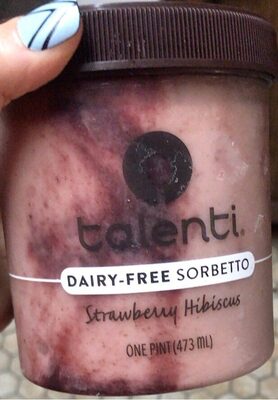
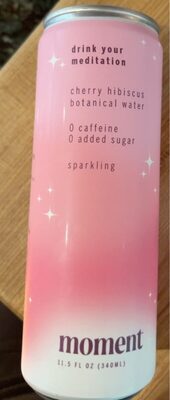
Auto-generated content. This description was generated automatically and is pending editorial review. Inaccuracies are possible. Found a mistake? Contact us.