Hibiscus Flowers
What is Hibiscus Flowers?
Hibiscus flowers are the colorful blooms of the *Hibiscus sabdariffa* plant, native to Africa. The flowers are typically dried for use in food and beverages. They are known for their tart, cranberry-like flavor and deep red color.
Is Hibiscus Flowers vegan?
Hibiscus Flowers is not animal-derived. Products that contain it can still include other animal-derived ingredients, so check the full ingredient list.
Is Hibiscus Flowers gluten-free?
They do not contain gluten.
Is Hibiscus Flowers a major allergen?
Hibiscus flowers are not one of the nine major allergens recognized by the FDA.
What is Hibiscus Flowers used for?
Dried hibiscus flowers are commonly used to make herbal teas, both hot and iced, and as a flavoring agent in beverages and desserts.
Is Hibiscus Flowers safe?
Hibiscus flowers are generally recognized as safe (GRAS) by the FDA for use in food.
Why it's used
Dried hibiscus flowers are commonly used to make herbal teas, both hot and iced, and as a flavoring agent in beverages and desserts. They impart a vibrant red color and a tart, fruity taste, often used as a natural alternative to artificial colorings and flavorings.
Health notes
Hibiscus flowers are generally recognized as safe (GRAS) by the FDA for use in food. Some studies suggest hibiscus tea may help lower blood pressure, but more research is needed. JECFA has evaluated hibiscus and established an acceptable daily intake. Evidence on other health effects is mixed and requires further investigation.
Allergen info
Hibiscus flowers are not one of the nine major allergens recognized by the FDA. They do not contain gluten.
Foods that contain Hibiscus Flowers
Compare products →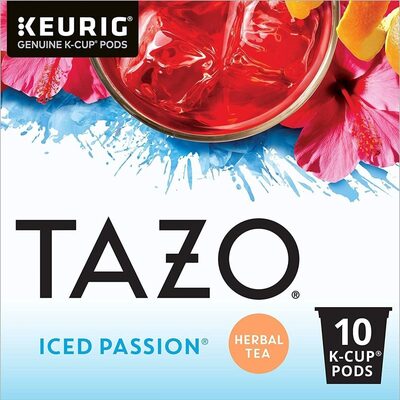
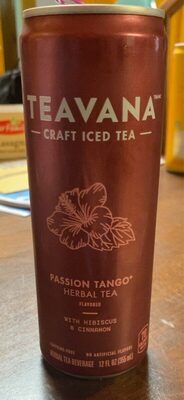
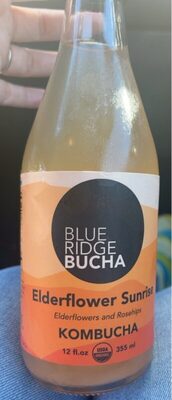
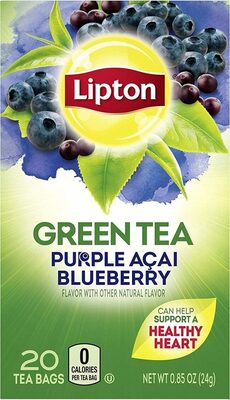
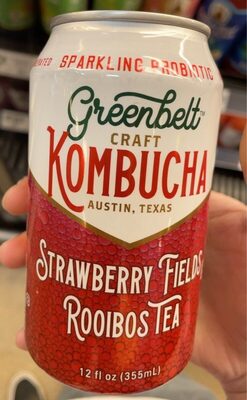
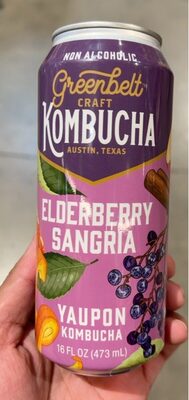 Greenbelt Craft
Elderberry Sangria Yaupon Kombucha, Elderberry Sangria
11kcal
0Protein
0Fat
2.8Carbs
Auto-generated content. This description was generated automatically and is pending editorial review. Inaccuracies are possible. Found a mistake? Contact us.