Hibiscus Tea
What is Hibiscus Tea?
Hibiscus tea is a beverage made from the dried, tart petals of the hibiscus plant, specifically *Hibiscus sabdariffa*. The petals are typically steeped in hot water to create a vibrant red infusion, often enjoyed hot or cold.
Is Hibiscus Tea vegan?
Hibiscus Tea is not animal-derived. Products that contain it can still include other animal-derived ingredients, so check the full ingredient list.
Is Hibiscus Tea gluten-free?
It does not contain gluten.
Is Hibiscus Tea a major allergen?
Hibiscus tea is not derived from any of the nine FDA major allergens.
What is Hibiscus Tea used for?
Hibiscus tea is used to add a tart, fruity flavor and a natural red color to beverages like iced teas, kombucha, and juice drinks.
Is Hibiscus Tea safe?
Hibiscus tea is generally recognized as safe (GRAS) by the FDA for use in food.
Why it's used
Hibiscus tea is used to add a tart, fruity flavor and a natural red color to beverages like iced teas, kombucha, and juice drinks. Its bright color and refreshing taste make it a popular ingredient for adding visual appeal and a unique flavor profile to a variety of drinks.
Health notes
Hibiscus tea is generally recognized as safe (GRAS) by the FDA for use in food. Some peer-reviewed studies suggest potential benefits for blood pressure management, though more research is needed. JECFA has evaluated hibiscus and established an acceptable daily intake. Evidence on its effects is mixed, and it is not considered a cure or cause for any disease.
Allergen info
Hibiscus tea is not derived from any of the nine FDA major allergens. It does not contain gluten.
Foods that contain Hibiscus Tea
Compare products →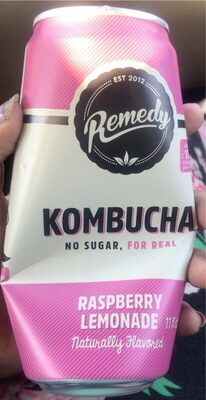 Remedy
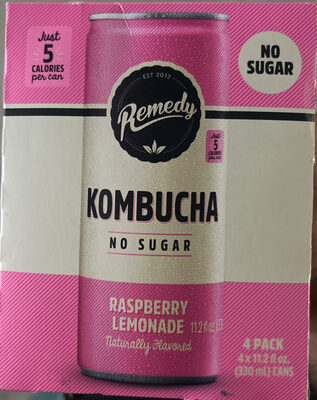
Raspberry Lemonade Flavored Organic Kombucha, Raspberry Lemonade
2kcal
0Protein
0Fat
1.5Carbs
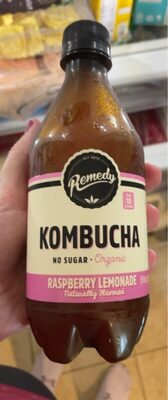 Remedy
Raspberry Lemonade Flavored Organic Kombucha, Raspberry Lemonade
2kcal
0Protein
0Fat
1.6Carbs
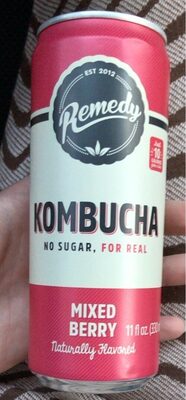
Auto-generated content. This description was generated automatically and is pending editorial review. Inaccuracies are possible. Found a mistake? Contact us.