Hickory Flavoring
What is Hickory Flavoring?
Hickory flavoring is a substance used to impart a smoky, woody taste reminiscent of hickory wood smoke. It is typically created by processing smoke from burning hickory wood or by using synthetic compounds that mimic the aroma and flavor of smoke. This process allows for a consistent smoky flavor without the need for actual wood smoking.
Is Hickory Flavoring gluten-free?
It does not contain gluten.
Is Hickory Flavoring a major allergen?
Hickory flavoring itself is not derived from any of the nine major allergens.
What is Hickory Flavoring used for?
Manufacturers add hickory flavoring to foods to provide a smoky taste, often used in sauces, marinades, processed meats, and snacks.
Is Hickory Flavoring safe?
Hickory flavoring is generally recognized as safe (GRAS) by the FDA when used as a flavoring agent.
Why it's used
Manufacturers add hickory flavoring to foods to provide a smoky taste, often used in sauces, marinades, processed meats, and snacks. It is frequently found in barbecue sauces, ketchup, mustard, and some soup varieties. The goal is to enhance the savory and smoky profile of the product.
Health notes
Hickory flavoring is generally recognized as safe (GRAS) by the FDA when used as a flavoring agent. Regulatory bodies like JECFA have evaluated smoke flavorings, but specific evaluations of 'hickory flavoring' as a distinct ingredient may vary. While generally considered safe in typical food amounts, some concerns have been raised about compounds in smoke, though these are usually related to direct smoke exposure rather than flavoring extracts.
Allergen info
Hickory flavoring itself is not derived from any of the nine major allergens. It does not contain gluten.
Foods that contain Hickory Flavoring
Compare products →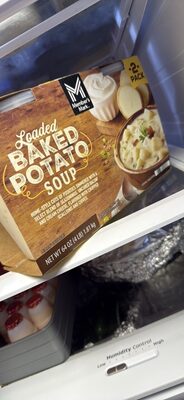 Wal-Mart Stores, Inc.
Loaded Microwaveable Baked Potato Soup, Potato
High in sodium — 36% DV per serving
High in saturated fat — 45% DV per serving
102kcal
2.5Protein
6.1Fat
9.0Carbs
Wolf's Bar-B-Q Inc.
Hickory Bar-B-Q Sauce, Hickory
62kcal
0Protein
0Fat
16.1Carbs
Wolf's Bar-B-Q Inc.
Hickory Sauce, Hickory
62kcal
0Protein
0Fat
16.1Carbs
Wal-Mart Stores, Inc.
Loaded Microwaveable Baked Potato Soup, Potato
High in sodium — 36% DV per serving
High in saturated fat — 45% DV per serving
102kcal
2.5Protein
6.1Fat
9.0Carbs
Wolf's Bar-B-Q Inc.
Hickory Bar-B-Q Sauce, Hickory
62kcal
0Protein
0Fat
16.1Carbs
Wolf's Bar-B-Q Inc.
Hickory Sauce, Hickory
62kcal
0Protein
0Fat
16.1Carbs
Learn more
Auto-generated content. This description was generated automatically and is pending editorial review. Inaccuracies are possible. Found a mistake? Contact us.