Hickory Smoked Sea Salt
What is Hickory Smoked Sea Salt?
Hickory smoked sea salt is a type of salt that has been exposed to hickory wood smoke. This process infuses the salt crystals with a distinct smoky flavor and aroma. It is made by cold-smoking sea salt over burning hickory wood.
Is Hickory Smoked Sea Salt vegan?
Hickory Smoked Sea Salt is not animal-derived. Products that contain it can still include other animal-derived ingredients, so check the full ingredient list.
Is Hickory Smoked Sea Salt a major allergen?
Not a major allergen.
What is Hickory Smoked Sea Salt used for?
Manufacturers add hickory smoked sea salt primarily as a flavoring agent to impart a smoky taste to foods.
Is Hickory Smoked Sea Salt safe?
Sea salt, like other forms of salt, is generally recognized as safe (GRAS) by the FDA.
Why it's used
Manufacturers add hickory smoked sea salt primarily as a flavoring agent to impart a smoky taste to foods. It is often found in spice blends, rubs for meats like poultry, chicken, and turkey, and other savory dishes to enhance their flavor profile.
Health notes
Sea salt, like other forms of salt, is generally recognized as safe (GRAS) by the FDA. The primary health consideration for hickory smoked sea salt relates to its sodium content. The FDA's Daily Value for sodium is 2,300 mg. JECFA has evaluated sodium chloride, the main component of salt, and has established an acceptable daily intake. There are no specific health controversies unique to hickory smoked sea salt beyond general recommendations for limiting sodium intake.
Allergen info
Not a major allergen.
Foods that contain Hickory Smoked Sea Salt
Compare products →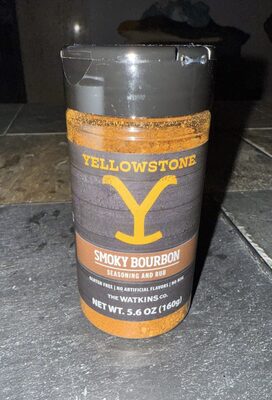 Watkins Incorporated
Smoky Bourbon Seasoning And Rub, Smoky Bourbon
385kcal
0Protein
0Fat
76.9Carbs
Watkins Incorporated
Smoky Bourbon Seasoning And Rub, Smoky Bourbon
385kcal
0Protein
0Fat
76.9Carbs
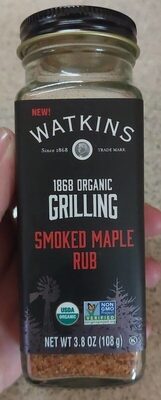 Watkins Incorporated
Smoked Maple Rub, Smoked Maple
385kcal
0Protein
0Fat
76.9Carbs
Man Cave
Small Batch Turkey With Bacon Ground Seasoned
High in sodium — 42% DV per serving
High in cholesterol — 30% DV per serving
170kcal
22.3Protein
8.0Fat
1.8Carbs
Fire & Smoke Society, LLC
Smoked Peach Rub, Smoked Peach
0kcal
0Protein
0Fat
100Carbs
Watkins Incorporated
Smoked Maple Rub, Smoked Maple
385kcal
0Protein
0Fat
76.9Carbs
Man Cave
Small Batch Turkey With Bacon Ground Seasoned
High in sodium — 42% DV per serving
High in cholesterol — 30% DV per serving
170kcal
22.3Protein
8.0Fat
1.8Carbs
Fire & Smoke Society, LLC
Smoked Peach Rub, Smoked Peach
0kcal
0Protein
0Fat
100Carbs
Learn more
Auto-generated content. This description was generated automatically and is pending editorial review. Inaccuracies are possible. Found a mistake? Contact us.