High Fructose Corn Syrup And Natural Flavors
What is High Fructose Corn Syrup And Natural Flavors?
High fructose corn syrup (HFCS) is a liquid sweetener made from corn starch, where enzymes convert some of the glucose into fructose. Natural flavors are complex mixtures of substances extracted from natural sources like fruits, vegetables, spices, or animal products, added to food for taste rather than nutritional value.
Is High Fructose Corn Syrup And Natural Flavors a major allergen?
High fructose corn syrup is not a major allergen.
What is High Fructose Corn Syrup And Natural Flavors used for?
High fructose corn syrup is widely used as a sweetener and to help maintain moisture in many processed foods and beverages, such as sodas, candies, and baked goods.
Is High Fructose Corn Syrup And Natural Flavors safe?
High fructose corn syrup is considered safe by the FDA.
Why it's used
High fructose corn syrup is widely used as a sweetener and to help maintain moisture in many processed foods and beverages, such as sodas, candies, and baked goods. Natural flavors are added to enhance or provide specific tastes to a broad range of foods and drinks.
Health notes
High fructose corn syrup is considered safe by the FDA. While it is often linked to health concerns, scientific evidence on its unique effects compared to other added sugars is mixed. The 2025-2030 Dietary Guidelines for Americans recommend no amount of added sugars. Natural flavors are defined and regulated by the FDA and are generally recognized as safe when used appropriately. The term "natural flavor" is broad, and its components are generally safe, though some consumers have concerns about their origin.
Allergen info
High fructose corn syrup is not a major allergen. Natural flavors can sometimes be derived from major allergens (like milk, eggs, or soy), and if so, these must be declared on the food label.
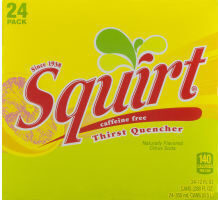
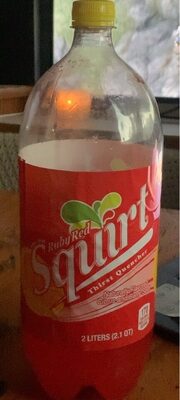
Foods that contain High Fructose Corn Syrup And Natural Flavors
Compare products →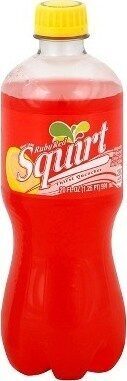
Auto-generated content. This description was generated automatically and is pending editorial review. Inaccuracies are possible. Found a mistake? Contact us.