Hoisin
What is Hoisin?
Hoisin sauce is a thick, dark, sweet and savory sauce commonly used in Chinese cuisine. It is made from fermented soybeans, garlic, chili peppers, and various spices, often including star anise and fennel. The exact ingredients can vary by brand and region.
Is Hoisin a major allergen?
Hoisin sauce may contain soy and wheat, which are two of the nine major allergens.
What is Hoisin used for?
Hoisin sauce is primarily used as a glaze for grilled meats, a dipping sauce for spring rolls and dumplings, or as a flavor enhancer in stir-fries and marinades.
Is Hoisin safe?
Hoisin sauce is generally recognized as safe (GRAS) by the FDA when used as an ingredient.
Why it's used
Hoisin sauce is primarily used as a glaze for grilled meats, a dipping sauce for spring rolls and dumplings, or as a flavor enhancer in stir-fries and marinades. Manufacturers add it to provide a complex sweet and savory flavor profile.
Health notes
Hoisin sauce is generally recognized as safe (GRAS) by the FDA when used as an ingredient. It is a source of sodium and sugar, and as with all foods, moderation is advised. International bodies like JECFA have evaluated similar ingredients but do not have specific evaluations for hoisin sauce itself. There are no widespread health controversies associated with its typical consumption.
Allergen info
Hoisin sauce may contain soy and wheat, which are two of the nine major allergens. Check product labels for specific allergen information. It may also contain sesame, another major allergen.
Foods that contain Hoisin
Compare products →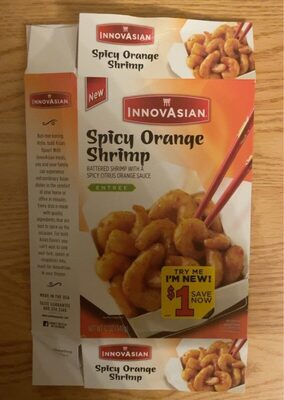 Innovasian Cuisine Enterprises, LLC
Spicy Orange Shrimp Battered Shrimp With A Spicy Citrus Orange Sauce Entree, Spicy Orange Shrimp
High in sodium — 36% DV per serving
High in added sugars — 44% DV per serving
High in cholesterol — 27% DV per serving
147kcal
7.1Protein
2.6Fat
24.1Carbs
EVOLVE PALEO
Bar Nuts Trail Mix
607kcal
21.4Protein
53.6Fat
21.4Carbs
Perfect Fit Meals
Asian Style Pork With Rice Noodles & Vegetables
High in sodium — 20% DV per serving
High in cholesterol — 30% DV per serving
148kcal
14.1Protein
4.2Fat
12.9Carbs
Innovasian Cuisine Enterprises, LLC
Spicy Orange Shrimp Battered Shrimp With A Spicy Citrus Orange Sauce Entree, Spicy Orange Shrimp
High in sodium — 36% DV per serving
High in added sugars — 44% DV per serving
High in cholesterol — 27% DV per serving
147kcal
7.1Protein
2.6Fat
24.1Carbs
EVOLVE PALEO
Bar Nuts Trail Mix
607kcal
21.4Protein
53.6Fat
21.4Carbs
Perfect Fit Meals
Asian Style Pork With Rice Noodles & Vegetables
High in sodium — 20% DV per serving
High in cholesterol — 30% DV per serving
148kcal
14.1Protein
4.2Fat
12.9Carbs
Learn more
Auto-generated content. This description was generated automatically and is pending editorial review. Inaccuracies are possible. Found a mistake? Contact us.