Honeycomb
What is Honeycomb?
Honeycomb is a natural, edible structure made by honey bees to store honey and pollen. It is composed of hexagonal wax cells, often filled with raw honey. The entire structure, including the wax and honey, is edible.
Is Honeycomb vegan?
No. Honeycomb is animal-derived, so it is not vegan.
Is Honeycomb gluten-free?
It does not contain gluten.
Is Honeycomb a major allergen?
Honeycomb is not derived from any of the 9 major FDA allergens.
What is Honeycomb used for?
Manufacturers use honeycomb primarily as a natural sweetener and for its unique texture and appearance.
Is Honeycomb safe?
Honeycomb is generally recognized as safe (GRAS) by the FDA when used as a food ingredient.
Why it's used
Manufacturers use honeycomb primarily as a natural sweetener and for its unique texture and appearance. It is often added to desserts, baked goods, and confectioneries for a gourmet touch. It can also be used as a topping for yogurt, ice cream, or cheese plates.
Health notes
Honeycomb is generally recognized as safe (GRAS) by the FDA when used as a food ingredient. It is a natural source of sugars and contains trace amounts of pollen and propolis, which may have antioxidant properties. JECFA has evaluated honey and set an acceptable daily intake. While generally considered safe, some individuals may have allergies to bee products.
Allergen info
Honeycomb is not derived from any of the 9 major FDA allergens. It does not contain gluten.
Foods that contain Honeycomb
Compare products →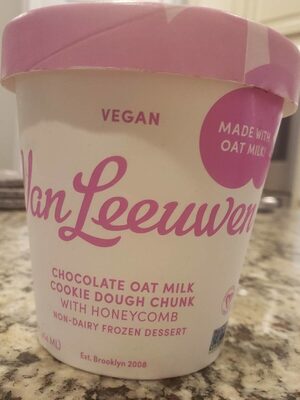 Van Leeuwen Ice Cream LLC
Chocolate Oat Milk Cookie Dough Chunk With Honeycomb Non-Dairy Frozen Dessert, Chocolate Oat Milk Cookie Dough Chunk With Honeycomb
High in saturated fat — 80% DV per serving
High in added sugars — 82% DV per serving
279kcal
1.4Protein
15Fat
35Carbs
Van Leeuwen Ice Cream LLC
Chocolate Oat Milk Cookie Dough Chunk With Honeycomb Non-Dairy Frozen Dessert, Chocolate Oat Milk Cookie Dough Chunk With Honeycomb
High in saturated fat — 80% DV per serving
High in added sugars — 82% DV per serving
279kcal
1.4Protein
15Fat
35Carbs
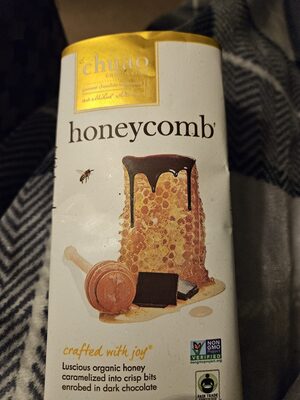 Chuao Chocolatier
Honeycomb Dark Chocolate Bar, Honeycomb
High in saturated fat — 40% DV per serving
475kcal
5Protein
32.5Fat
57.5Carbs
Target Stores
Acacia Honey With Comb
286kcal
0Protein
0Fat
81.0Carbs
Chuao Chocolatier
Honeycomb Dark Chocolate Bar, Honeycomb
High in saturated fat — 40% DV per serving
475kcal
5Protein
32.5Fat
57.5Carbs
Target Stores
Acacia Honey With Comb
286kcal
0Protein
0Fat
81.0Carbs
Learn more
Auto-generated content. This description was generated automatically and is pending editorial review. Inaccuracies are possible. Found a mistake? Contact us.