Hydrated Garlic
What is Hydrated Garlic?
Hydrated garlic is a form of garlic that has been processed and rehydrated, often using water or a brine solution. It retains much of the flavor and aroma of fresh garlic but in a more stable and convenient form for food manufacturers. This processing can involve blanching or other methods to soften the garlic and extend its shelf life.
Is Hydrated Garlic vegan?
Hydrated Garlic is not animal-derived. Products that contain it can still include other animal-derived ingredients, so check the full ingredient list.
Is Hydrated Garlic gluten-free?
It does not contain gluten.
Is Hydrated Garlic a major allergen?
Garlic is not one of the nine major allergens identified by the FDA.
What is Hydrated Garlic used for?
Manufacturers use hydrated garlic to impart a garlic flavor to a wide variety of foods without the need for fresh garlic.
Is Hydrated Garlic safe?
Hydrated garlic is generally recognized as safe (GRAS) by the FDA for use as a flavoring agent.
Why it's used
Manufacturers use hydrated garlic to impart a garlic flavor to a wide variety of foods without the need for fresh garlic. It is commonly found in pickles, olives, relishes, salad dressings, sauces, and marinades. Its consistent flavor and texture make it a reliable ingredient for achieving a desired taste profile.
Health notes
Hydrated garlic is generally recognized as safe (GRAS) by the FDA for use as a flavoring agent. Garlic, in general, has been studied for various health effects, with some research suggesting potential benefits for heart health and immune function. However, scientific evidence is mixed, and more research is needed to confirm these effects. JECFA and EFSA have evaluated garlic and its components, but they have not set specific numeric limits for its consumption as a food ingredient.
Allergen info
Garlic is not one of the nine major allergens identified by the FDA. It does not contain gluten.
Foods that contain Hydrated Garlic
Compare products →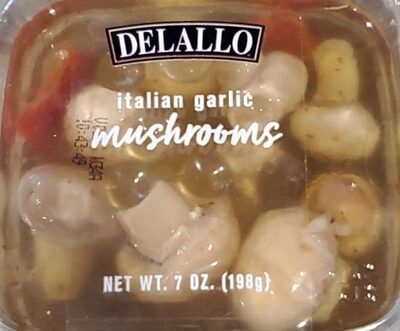
Learn more
Auto-generated content. This description was generated automatically and is pending editorial review. Inaccuracies are possible. Found a mistake? Contact us.