Hydrolyzed Corn & Soy Proteins
Auto-generated content. This description was generated automatically and is pending editorial review. Inaccuracies are possible. Found a mistake? Contact us.
What it is
Hydrolyzed corn and soy proteins are made by breaking down proteins from corn and soybeans into smaller pieces called amino acids. This process, called hydrolysis, can be done using heat, acid, or enzymes. It creates a savory, umami flavor.
Why it's used
Manufacturers add these proteins to enhance savory flavors, especially in processed foods. They act as a flavor enhancer, providing a meaty or brothy taste. They are commonly found in snacks like chips and pretzels, as well as in sauces and marinades.
Health notes
Hydrolyzed corn and soy proteins are generally recognized as safe (GRAS) by the FDA when used as intended. They are a source of amino acids, which are building blocks for the body. The Joint FAO/WHO Expert Committee on Food Additives (JECFA) has evaluated similar hydrolyzed vegetable proteins.
Allergen info
Soy is one of the 9 major allergens identified by the FDA. This ingredient is derived from soybeans, so it is considered a major allergen. It does not contain wheat, so it is gluten-free.
Products containing Hydrolyzed Corn & Soy Proteins
Compare products →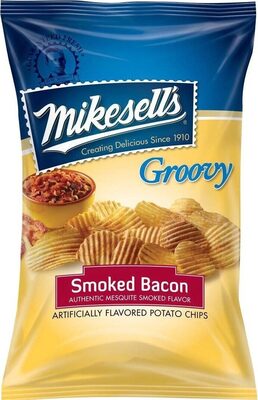 Mike-Sell's Potato Chip Co.
Potato Chips, Smoked Bacon
536kcal
7.1Protein
32.1Fat
53.6Carbs
Mike-Sell's Potato Chip Co.
Potato Chips, Smoked Bacon
536kcal
7.1Protein
32.1Fat
53.6Carbs
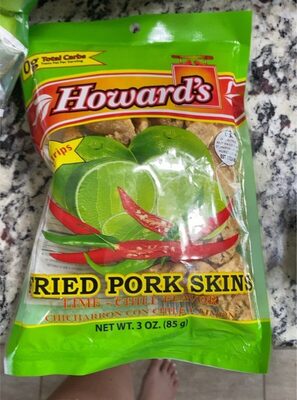 International Provisions, Inc.
Lime - Chili Flavor Fried Pork Skins Strips, Lime - Chili
High in sodium — 31% DV per serving
571kcal
64.3Protein
32.1Fat
0Carbs
Seaside Stop & Go
Kelis, Baste & Glaze Hawaiian Teriyaki, Spicy, Spicy
278kcal
5.6Protein
8.3Fat
50Carbs
International Provisions, Inc.
Lime - Chili Flavor Fried Pork Skins Strips, Lime - Chili
High in sodium — 31% DV per serving
571kcal
64.3Protein
32.1Fat
0Carbs
Seaside Stop & Go
Kelis, Baste & Glaze Hawaiian Teriyaki, Spicy, Spicy
278kcal
5.6Protein
8.3Fat
50Carbs
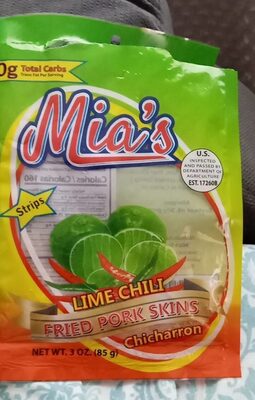 Chip Choice
Lime Chili Fried Pork Skins, Lime; Chili
High in sodium — 31% DV per serving
571kcal
64.3Protein
32.1Fat
0Carbs
Chip Choice
Lime Chili Fried Pork Skins, Lime; Chili
High in sodium — 31% DV per serving
571kcal
64.3Protein
32.1Fat
0Carbs