Inosinate
What is Inosinate?
Inosinate is a salt form of inosinic acid, a naturally occurring compound found in animal and plant tissues. It is often produced commercially through fermentation processes using microorganisms.
Is Inosinate gluten-free?
It does not contain gluten.
Is Inosinate a major allergen?
Inosinate is not derived from any of the 9 major allergens.
What is Inosinate used for?
Inosinate is primarily used as a flavor enhancer in processed foods.
Is Inosinate safe?
In the U.S., inosinate is generally recognized as safe (GRAS) by the FDA when used as a food ingredient.
Why it's used
Inosinate is primarily used as a flavor enhancer in processed foods. It works synergistically with other flavor compounds, like glutamate, to create a more intense savory or umami taste. It is commonly found in snacks, soups, sauces, and processed meats.
Health notes
In the U.S., inosinate is generally recognized as safe (GRAS) by the FDA when used as a food ingredient. Regulatory bodies like JECFA and EFSA have evaluated flavor enhancers, but specific evaluations for inosinate alone may vary. Typical intake levels are not associated with adverse health effects for most people.
Allergen info
Inosinate is not derived from any of the 9 major allergens. It does not contain gluten.
Foods that contain Inosinate
Compare products →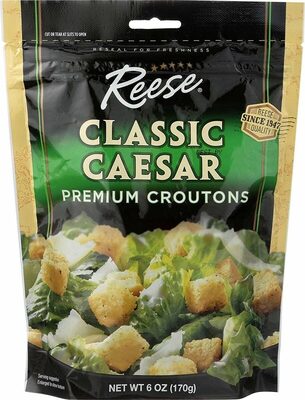 World Finer Foods, Inc.
Classic Caesar Premium Croutons
429kcal
14.3Protein
14.3Fat
71.4Carbs
World Finer Foods, Inc.
Classic Caesar Premium Croutons
429kcal
14.3Protein
14.3Fat
71.4Carbs
 High Liner Foods (USA) Incorporated
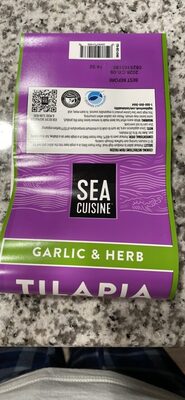
Tilapia, Pan Sear Garlic & Herb
175kcal
18.2Protein
7.1Fat
9.5Carbs
GS1 Mexico
Barcel, Diabla Flavor Burst Chips, Diabla, Diabla
High in sodium — 25% DV per serving
High in saturated fat — 22% DV per serving
509kcal
5.7Protein
26.4Fat
60.4Carbs
High Liner Foods (USA) Incorporated
Tilapia, Pan Sear Garlic & Herb
175kcal
18.2Protein
7.1Fat
9.5Carbs
GS1 Mexico
Barcel, Diabla Flavor Burst Chips, Diabla, Diabla
High in sodium — 25% DV per serving
High in saturated fat — 22% DV per serving
509kcal
5.7Protein
26.4Fat
60.4Carbs
Learn more
Auto-generated content. This description was generated automatically and is pending editorial review. Inaccuracies are possible. Found a mistake? Contact us.