Inverted Syrup
What is Inverted Syrup?
Inverted syrup, also known as invert sugar, is a liquid sweetener made from sucrose (table sugar). It is produced by breaking down sucrose into its two simpler sugar components: glucose and fructose, typically using an acid or an enzyme. This process changes the sugar's chemical structure and properties.
Is Inverted Syrup vegan?
Inverted Syrup is not animal-derived. Products that contain it can still include other animal-derived ingredients, so check the full ingredient list.
Is Inverted Syrup a major allergen?
Not a major allergen.
What is Inverted Syrup used for?
Manufacturers use inverted syrup as a sweetener in many food products.
Is Inverted Syrup safe?
Inverted syrup is generally recognized as safe (GRAS) by the FDA when used as a food ingredient.
Why it's used
Manufacturers use inverted syrup as a sweetener in many food products. Its unique composition helps keep baked goods moist and soft, prevents sugar crystallization in candies and ice cream, and provides a smoother texture. It is often found in baked goods, confections, and beverages.
Health notes
Inverted syrup is generally recognized as safe (GRAS) by the FDA when used as a food ingredient. As a form of added sugar, it contributes to the total sugar content of foods. The 2025-2030 Dietary Guidelines for Americans recommend no amount of added sugars, and at most 10 grams of added sugars per meal. There are no specific health controversies unique to inverted syrup beyond those associated with general sugar consumption.
Allergen info
Not a major allergen.
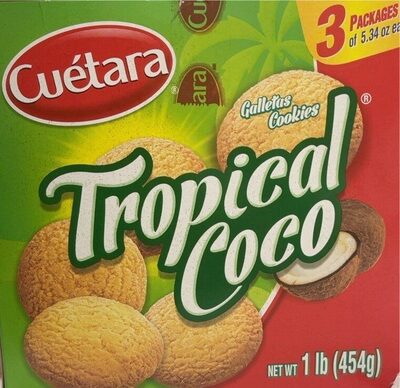
Foods that contain Inverted Syrup
Compare products →
Learn more
Auto-generated content. This description was generated automatically and is pending editorial review. Inaccuracies are possible. Found a mistake? Contact us.